5 Ways to Identify Real Olive Oil: Avoiding Common Market Pitfalls
NB
Understanding the Importance of Real Olive Oil
Olive oil is a staple in many kitchens, known for its health benefits and rich flavor. However, not all olive oils are created equal, and the market is rife with imitations. Identifying real olive oil is crucial to ensure you're getting the quality and benefits you expect.
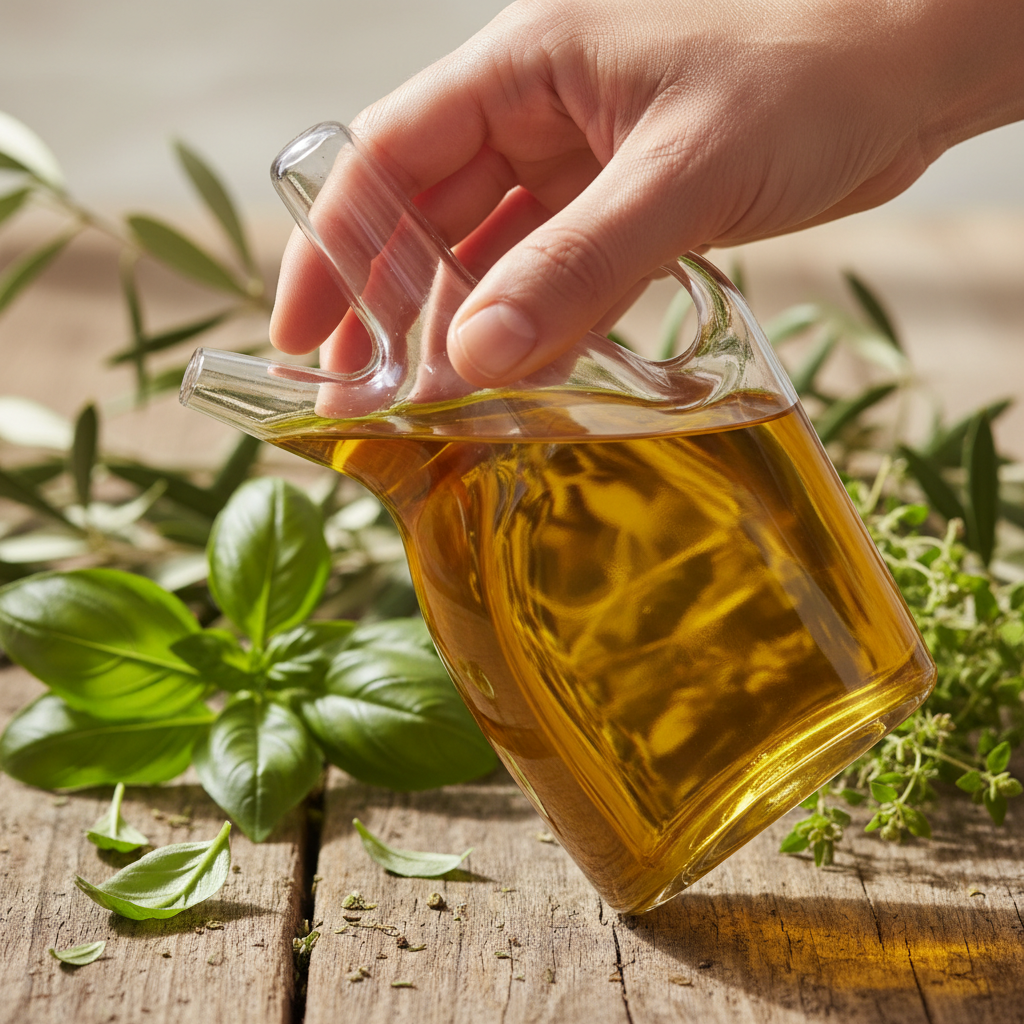
Check the Label for Specific Details
When shopping for olive oil, the label can provide valuable clues about its authenticity. Look for the following:
- Harvest Date: Freshness matters, so check for a recent harvest date.
- Origin: Authentic olive oil should specify the country or region of origin.
- Certification: Look for certifications like PDO or PGI, which indicate quality and authenticity.
Assess the Price Point
While price isn't always an indicator of quality, extremely cheap olive oil should raise red flags. Real, high-quality olive oil requires significant resources to produce, and this is often reflected in the price. Investing a bit more can ensure you're getting the real deal.
Examine the Container
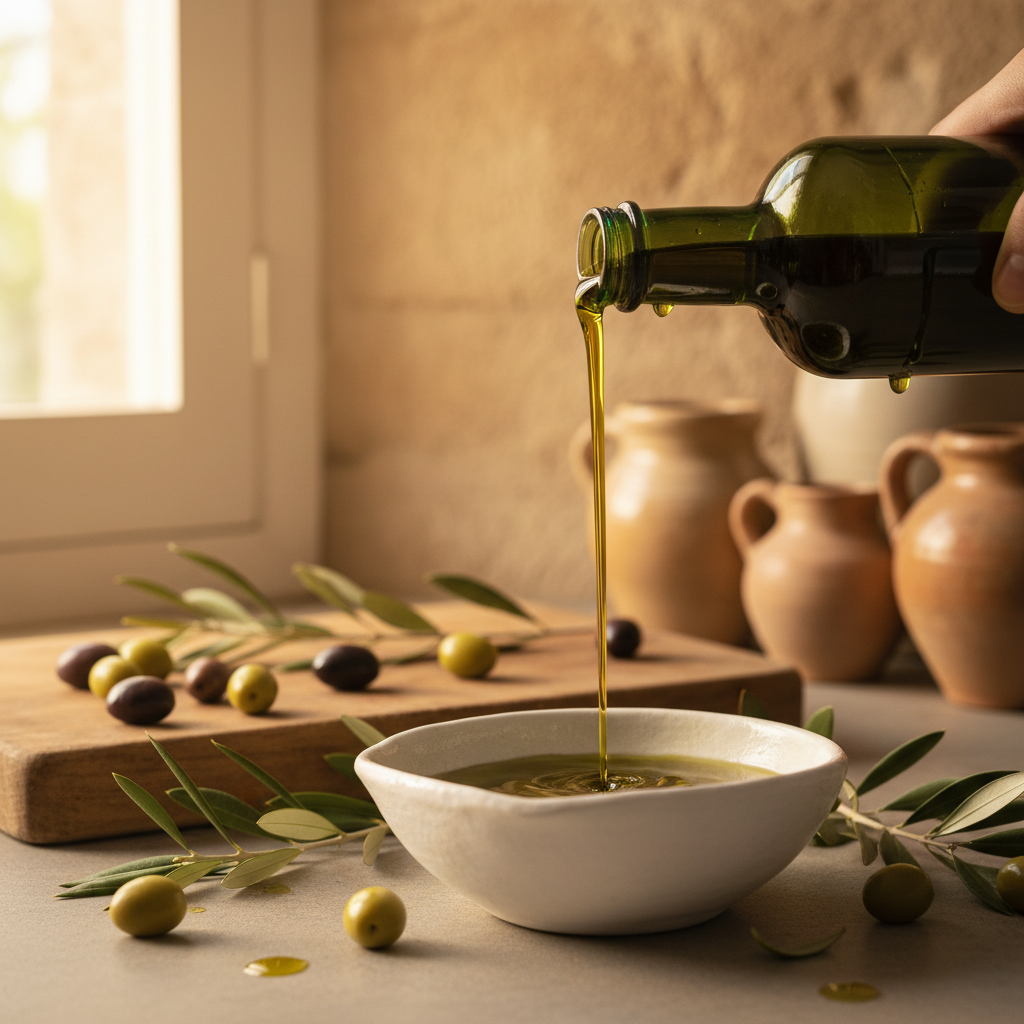
The packaging of olive oil can also tell you a lot about its quality. Genuine olive oil is often sold in dark glass bottles. This helps protect the oil from light, which can degrade its quality over time. Avoid oils in clear bottles or plastic containers as they may not be authentic.

Perform a Taste Test
A taste test can be a reliable method to determine authenticity. Real olive oil has a distinct, robust flavor with a slightly peppery finish. If the oil tastes flat or rancid, it may not be genuine. Trust your taste buds!
Assess the Aroma
In addition to taste, real olive oil should have a fresh, fruity aroma. If it smells musty or has no scent at all, it may be a sign of poor quality or an imitation product.
Conduct a Home Test
If you're still unsure about the authenticity of your olive oil, try a simple home test. Place the bottle in the refrigerator. Real olive oil may become cloudy or solidify, which is normal. If it remains clear, it could be a blend or not true olive oil.
By following these tips, you can ensure that you're selecting the best olive oil for your culinary needs, avoiding common market pitfalls, and reaping the full benefits of this wonderful product.