Comparing Greek and Italian Olive Oils: Key Differences and Similarities
NB
Introduction to Olive Oil Traditions
Olive oil is a cornerstone of both Greek and Italian culinary traditions. Each country boasts a rich history of olive cultivation, leading to the production of oils that are both unique and celebrated worldwide. While both Greek and Italian olive oils share certain similarities, they also possess distinct differences that make them special.
Geographical Influence
The geographical conditions in Greece and Italy greatly influence the flavor profiles of their olive oils. Greece's warm, arid climate and rocky soils create oils that are typically robust and earthy. On the other hand, Italy's diverse regions, from the hilly landscapes of Tuscany to the sunny stretches of Sicily, result in a wide range of flavors, from mild and fruity to peppery and intense.
Varietals and Flavors
Greece predominantly cultivates the Koroneiki, Athinolia, and Lianolia varieties, known for their strong, pungent flavors. Italian olive oils, however, come from a broader variety of olives, including Frantoio, Leccino, and Moraiolo, which contribute to their complex and varied taste.
Production Methods
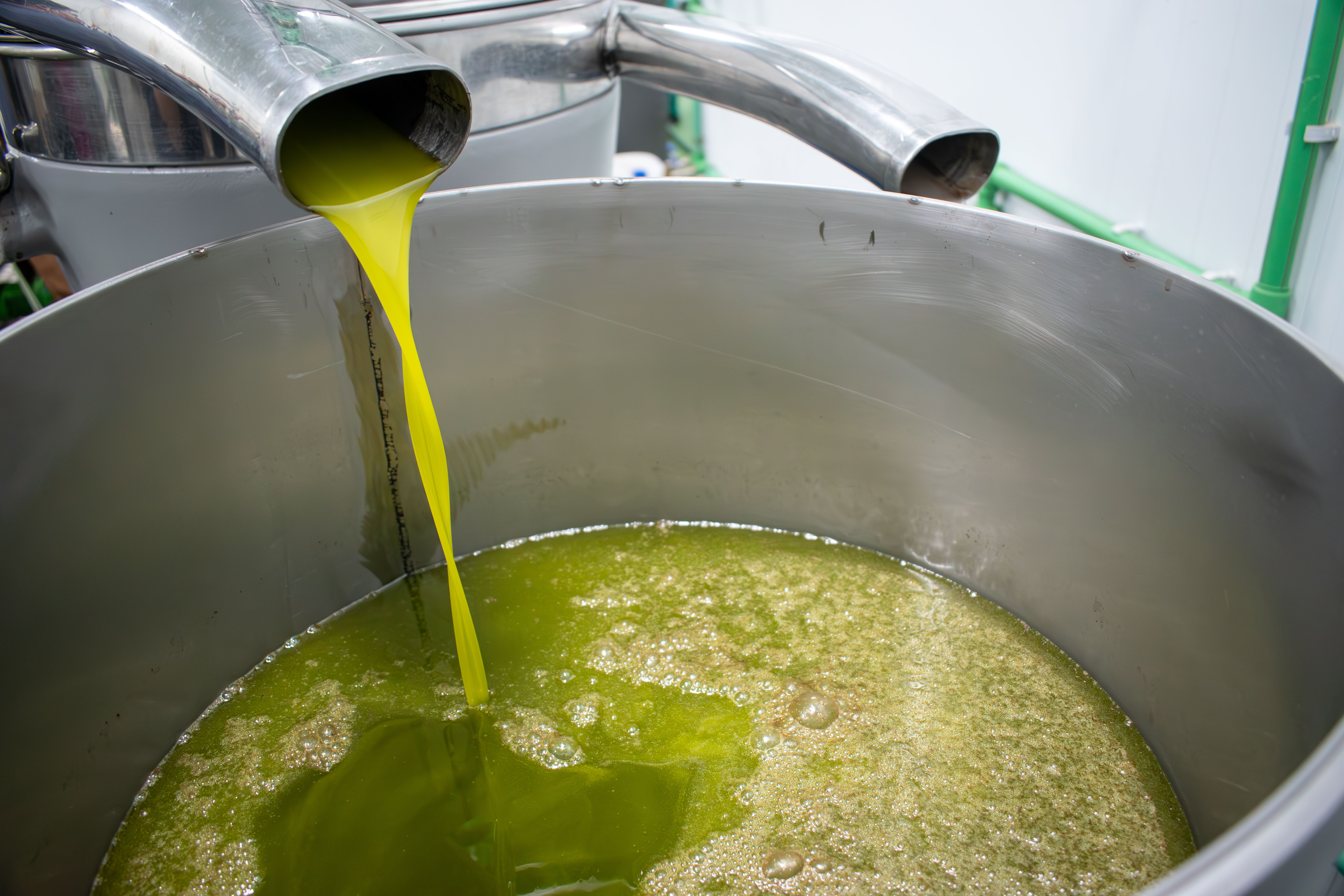
Both countries employ traditional and modern methods of olive oil production, but there are notable differences. Greek olive oil production often emphasizes cold pressing and minimal processing to preserve natural flavors and nutrients. Italian producers, while also valuing traditional methods, often incorporate advanced technology to enhance quality control and ensure consistency.
Quality and Certification
Both Greek and Italian olive oils are known for their high quality, with many oils holding Protected Designation of Origin (PDO) status. This certification ensures that the oils are produced, processed, and prepared in specific geographical areas, adhering to strict quality standards. Italian olive oils often carry additional certifications like IGP (Indicazione Geografica Protetta), emphasizing regional authenticity.
Culinary Uses
In Greek cuisine, olive oil is a staple in dishes such as salads, dips, and grilled meats. Its bold flavor enhances traditional recipes like tzatziki and dolmades. Italian olive oil is equally versatile, used in pastas, bruschetta, and antipasto platters. The choice between Greek and Italian olive oil often depends on the desired flavor profile for a particular dish.

Health Benefits
Both Greek and Italian olive oils are celebrated for their health benefits, rich in healthy monounsaturated fats and antioxidants. Consuming olive oil is associated with numerous health advantages, including reduced inflammation and improved heart health. The Mediterranean diet, which heavily features olive oil, is renowned for promoting longevity and well-being.
Conclusion: A Matter of Preference
Ultimately, choosing between Greek and Italian olive oil comes down to personal preference and culinary needs. Whether you prefer the robust, earthy flavors of Greek oils or the diverse, nuanced profiles of Italian oils, both offer exceptional quality and a taste of their rich cultural heritage.