Debunking Myths About Extra Virgin Olive Oil: Insights from Lobotina
NB
Extra virgin olive oil is a staple in kitchens worldwide, celebrated for its flavor and health benefits. However, numerous myths surround this beloved oil, leading to confusion and misinformation. Lobotina, a renowned producer of high-quality olive oil, is here to clear up these misconceptions.
Understanding the Grades of Olive Oil
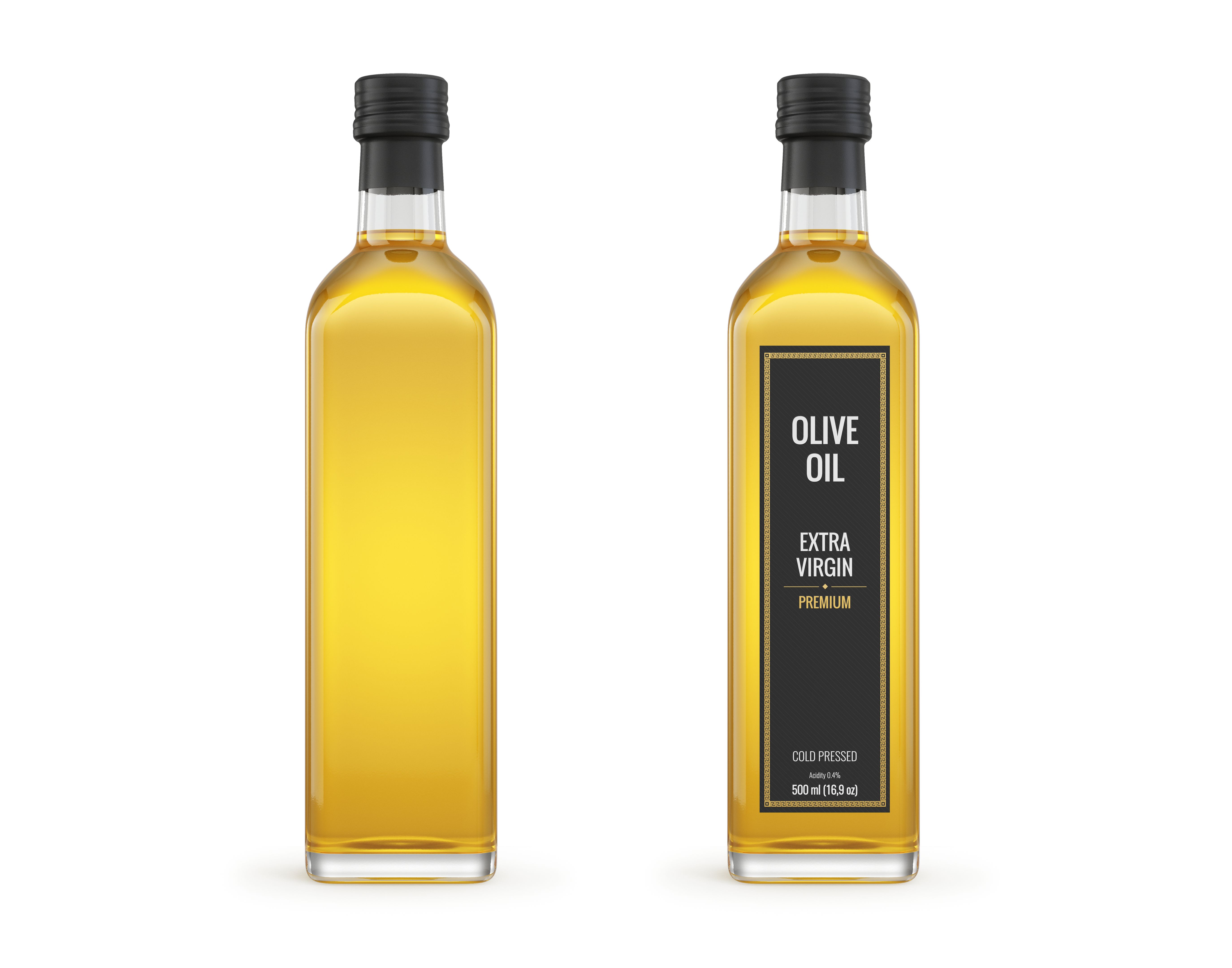
One prevalent myth is that all olive oils are the same, which couldn't be further from the truth. Olive oils are graded based on their extraction process and acidity levels. Extra virgin olive oil is the highest quality, obtained directly from olives and solely by mechanical means without any chemical treatment.
Understanding these distinctions is crucial for consumers seeking the best quality and health benefits. Lower-grade oils may lack the flavor and nutritional value found in extra virgin olive oil.
Debunking Myths About Cooking with Olive Oil
A common misconception is that extra virgin olive oil should not be used for cooking due to its low smoke point. In reality, it has a smoke point between 375°F and 405°F, making it suitable for most cooking methods, including sautéing and roasting.

Additionally, cooking with extra virgin olive oil can enhance the flavor of dishes and provide numerous health benefits, such as antioxidants and healthy fats.
Freshness and Storage
Another myth is that extra virgin olive oil has an indefinite shelf life. Like any natural product, it can degrade over time. To maintain its quality, store it in a cool, dark place and use it within 18 to 24 months of production.
Proper storage ensures you enjoy the full flavor and health benefits of the oil. Using a dark glass bottle can also protect it from light exposure, which can accelerate spoilage.

The Health Benefits of Extra Virgin Olive Oil
Extra virgin olive oil is often mistakenly thought to be similar to other cooking oils in terms of health benefits. However, it is rich in monounsaturated fats, vitamins, and antioxidants, which contribute to heart health and may reduce inflammation.
Incorporating extra virgin olive oil into your diet can offer numerous health advantages, setting it apart from other oils that may lack the same nutritional profile.
Choosing Authentic Olive Oil
There is a misconception that all olive oils labeled "extra virgin" meet the highest standards. Unfortunately, some products may be mislabeled, affecting both quality and authenticity. Look for certifications and trusted producers like Lobotina to ensure you're getting genuine extra virgin olive oil.

By understanding these myths and the truths behind them, consumers can make informed choices and enjoy the many benefits of extra virgin olive oil. Trust in reputable producers and educate yourself on the qualities that define this exceptional oil.