Discovering the Authenticity of Real Olive Oil: What Every Consumer Should Know
NB
Understanding Real Olive Oil
Olive oil is a staple in many kitchens around the world, renowned for its health benefits and rich flavor. However, not all olive oils are created equal. The market is flooded with products claiming to be "extra virgin" or "pure," but how can you be sure of their authenticity? This post aims to guide consumers in identifying genuine olive oil and understanding its true value.
The Importance of Authenticity
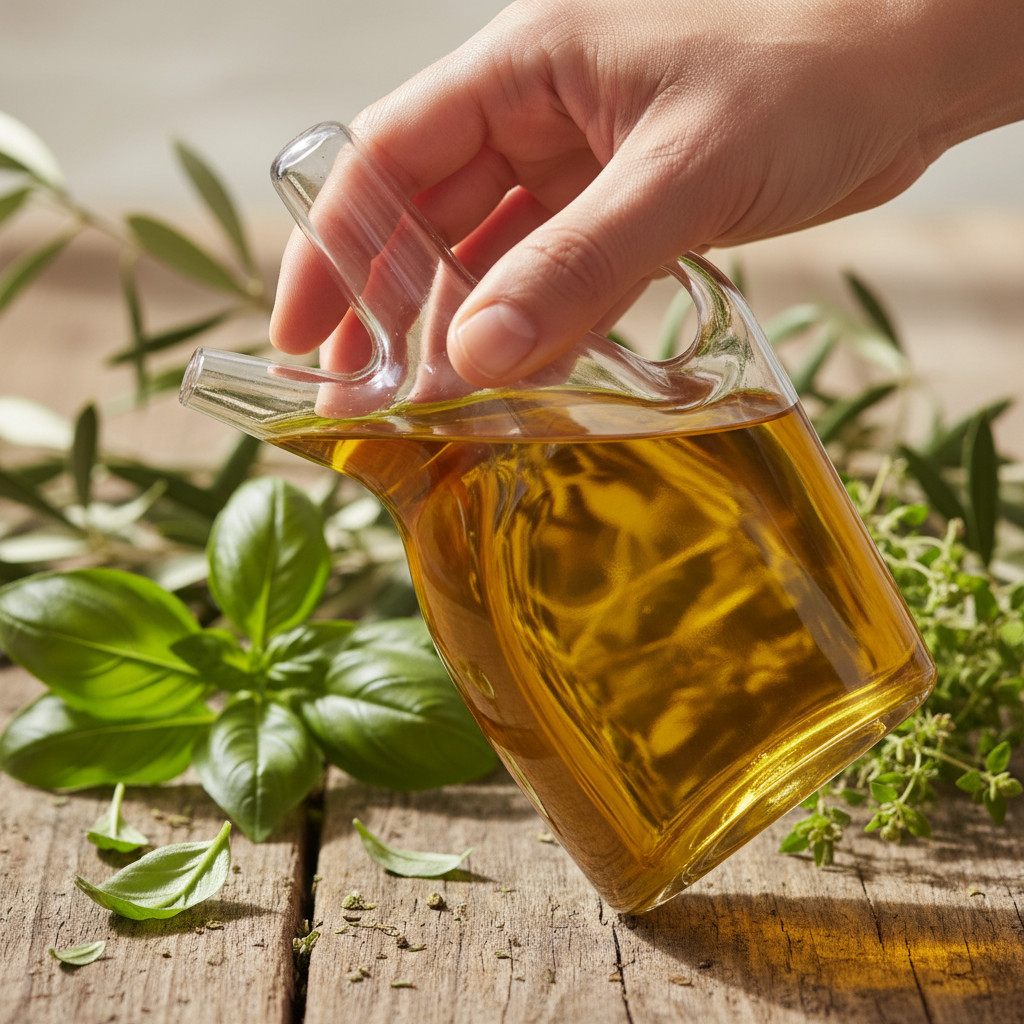
Authentic olive oil offers numerous health benefits, including anti-inflammatory properties and heart health support. When olive oil is improperly labeled or adulterated, it loses these benefits and can even contain harmful additives. Real olive oil is unrefined and retains its natural nutrients, making it a worthy addition to any diet.
Identifying Genuine Olive Oil
To ensure you are purchasing real olive oil, start by examining the label carefully. Look for terms like "extra virgin," which indicates the oil was produced by cold-pressing. This is the purest form of olive oil, free from chemical processing. Additionally, check for a harvest date to ensure freshness.
Indicators of Quality
Here are some key indicators to help you identify genuine olive oil:
- Color: Real olive oil can range from golden yellow to green. The color can vary based on the type of olives used and when they were harvested.
- Smell: Authentic olive oil should have a fresh, fruity aroma. If it smells musty or rancid, it may be spoiled or fake.
- Taste: Real olive oil offers a complex flavor profile, often with a slight peppery finish. This can vary based on the olive variety and region.
Common Misconceptions
Many consumers believe that all olive oils are the same. However, understanding distinctions like "virgin" versus "extra virgin" can make a significant difference. Extra virgin olive oil is the highest quality, while virgin olive oil is slightly lower in grade, typically due to minor defects. Both are preferable to refined oils, which undergo chemical processing.
Buying Tips for Consumers
When buying olive oil, consider these tips:
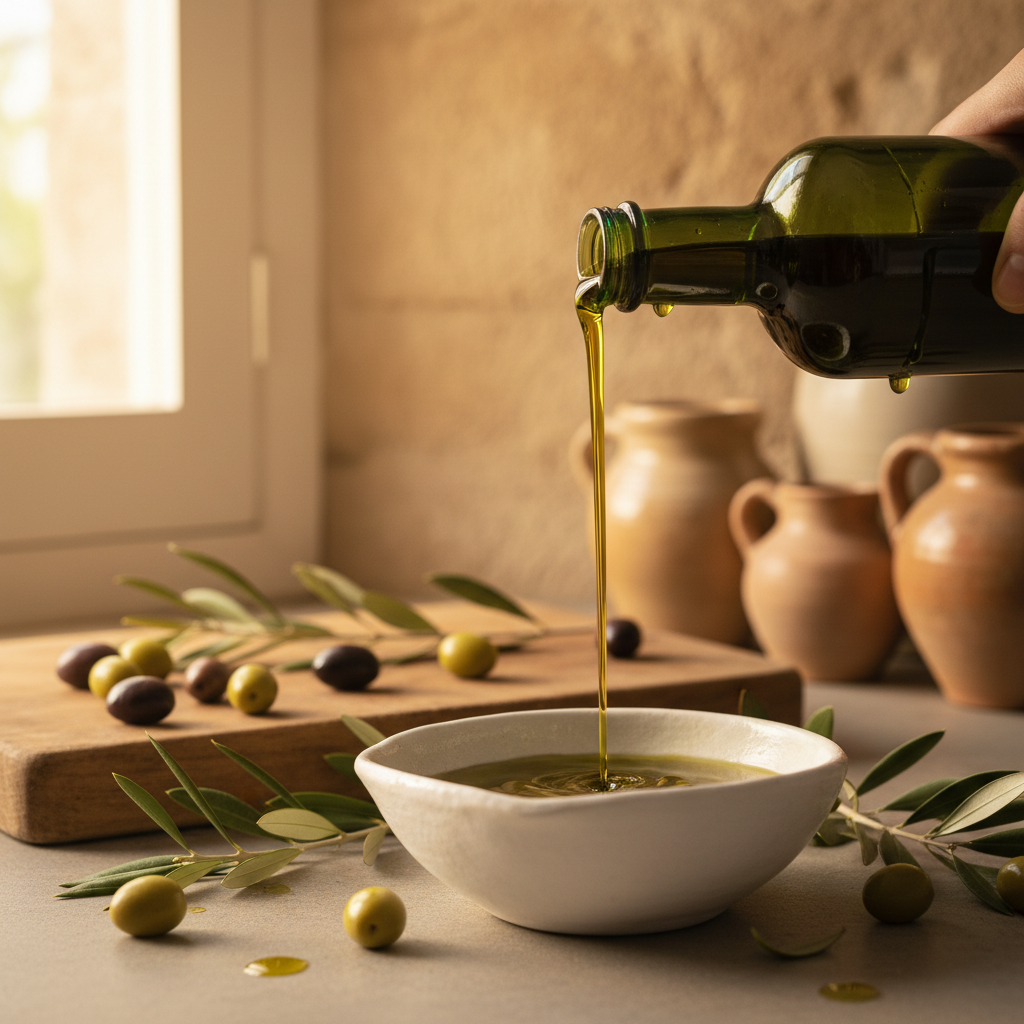
- Purchase from reputable brands or local producers known for their quality.
- Avoid oils in clear bottles, as exposure to light can degrade quality.
- Look for certifications from organizations like the International Olive Council.
Conclusion
By understanding the authenticity of olive oil, consumers can make informed choices that enhance their meals and support their health. Always take the time to research and select genuine products to enjoy olive oil's full benefits. Armed with this knowledge, you can confidently navigate the olive oil aisle and select a product that truly deserves a place in your kitchen.