Exploring the Rich History of Olive Oil Production in Greece
NB
The Ancient Beginnings of Olive Oil in Greece
Olive oil has been a cornerstone of Greek culture and economy for thousands of years. The origins of olive oil production in Greece date back to the Minoan civilization, around 3500 BCE. This treasured oil was not only a crucial dietary staple but also held religious and medicinal importance in ancient Greek society.
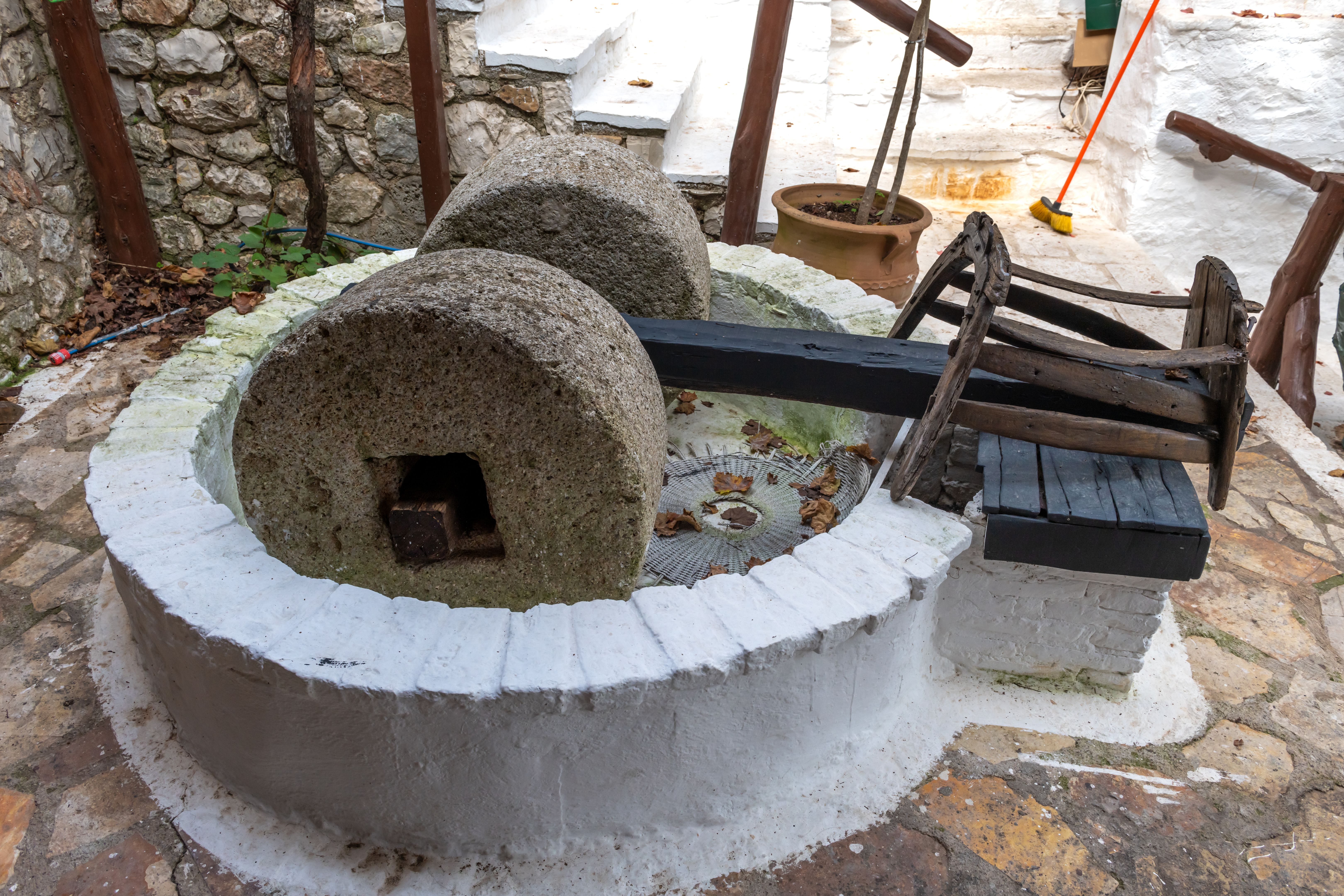
Archaeological discoveries, such as ancient olive presses, provide evidence of the long-standing relationship between the Greeks and olive cultivation. These findings suggest that olive oil production was an integral part of daily life, influencing everything from food preparation to trade.
Olive Oil in Mythology and Religion
Olive oil's significance extends into Greek mythology and religion. According to legend, the goddess Athena gifted the olive tree to the city of Athens, symbolizing peace and prosperity. This myth highlights the olive tree's sacred status in Greek culture.
In religious ceremonies, olive oil was used for anointing and purification rituals. It also held a place in the Olympic Games, where athletes were anointed with oil to symbolize strength and honor. These traditions underscore the oil's symbolic power in ancient Greece.
Evolution of Production Techniques
Over the centuries, olive oil production techniques have evolved significantly. Initially, olives were crushed by hand or with simple stone tools. As technology advanced, so did the methods of extraction, leading to more efficient and higher-quality oil production.
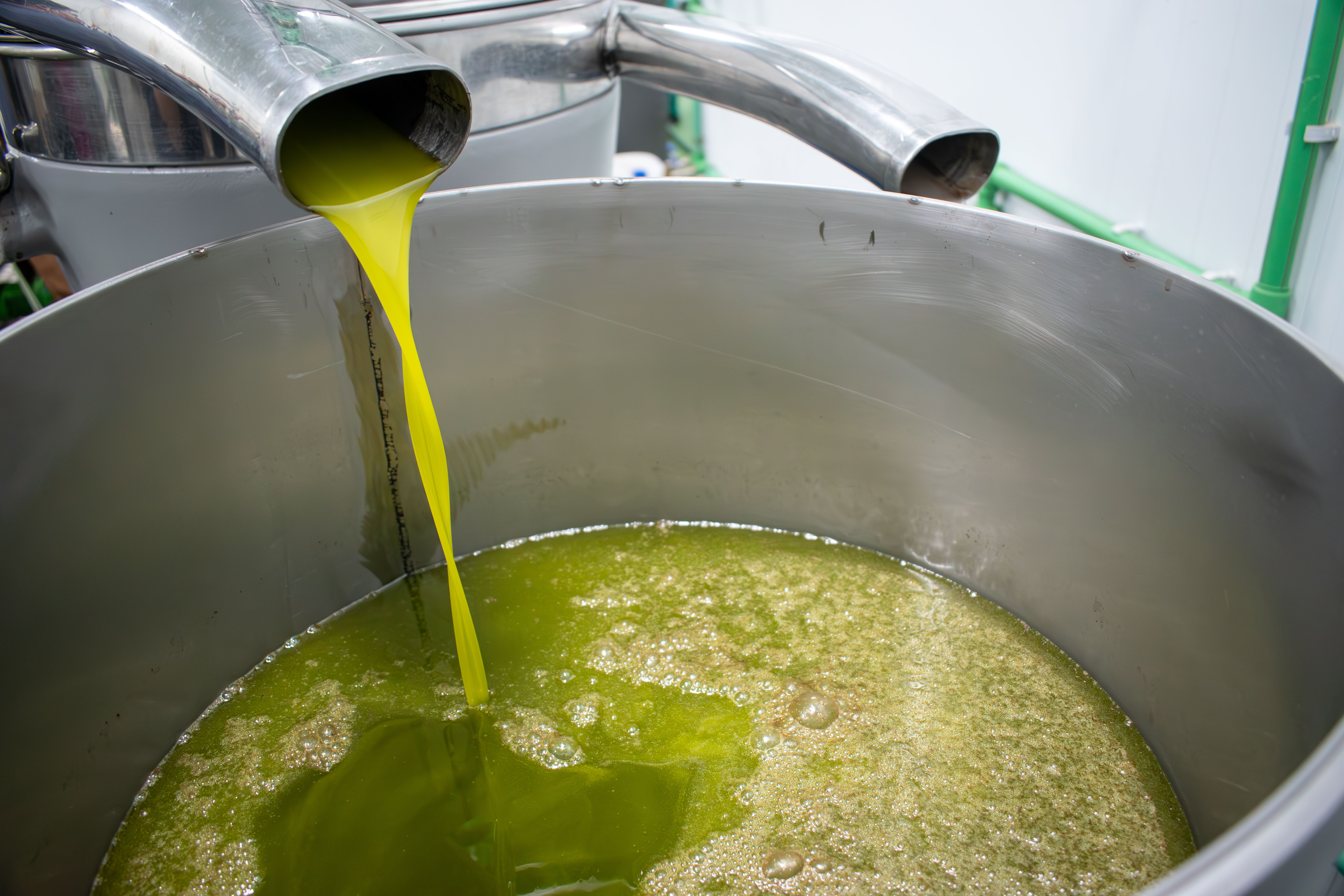
Today, modern technology has further refined these techniques, ensuring that Greece remains a leading producer of high-quality olive oil. Despite these advancements, many producers still adhere to traditional methods, preserving the rich flavors that have been cherished for generations.
The Importance of Olive Oil in Greek Cuisine
Olive oil is an essential ingredient in Greek cuisine, celebrated for its rich flavor and health benefits. It is used in a variety of dishes, from salads and dips to main courses. This versatile oil enhances the taste and nutritional value of traditional Greek recipes.

Beyond its culinary uses, olive oil is also a key component of the Mediterranean diet, which is renowned for promoting health and longevity. This connection between diet and well-being further solidifies olive oil's importance in Greek culture.
Preserving Tradition and Embracing Innovation
In modern Greece, the olive oil industry continues to thrive, balancing tradition with innovation. Producers are exploring sustainable farming practices and new marketing strategies to reach global markets. This blend of old and new ensures the continued success of Greek olive oil production.
From ancient times to the present day, olive oil remains a symbol of Greek heritage, celebrated for its rich history and enduring cultural significance. As Greece continues to honor its past while embracing the future, olive oil will undoubtedly remain at the heart of its identity.