Journey from Grove to Bottle: The Olive Oil Production Process
NB
Understanding the Olive Oil Journey
The journey of olive oil from grove to bottle is a fascinating process that combines tradition, technology, and nature's bounty. Olive oil, a staple in many kitchens worldwide, is cherished for its flavor and health benefits. Understanding how it is produced can enhance our appreciation of this golden elixir.

The Harvest Begins
The production process starts in the olive groves, where the olives are carefully cultivated. The harvest season varies depending on the region and the desired flavor profile of the oil. Early harvests produce oils with a more robust taste, while later harvests yield a milder flavor. Farmers often use a combination of hand-picking and mechanical harvesting to gather the olives.
From Grove to Mill
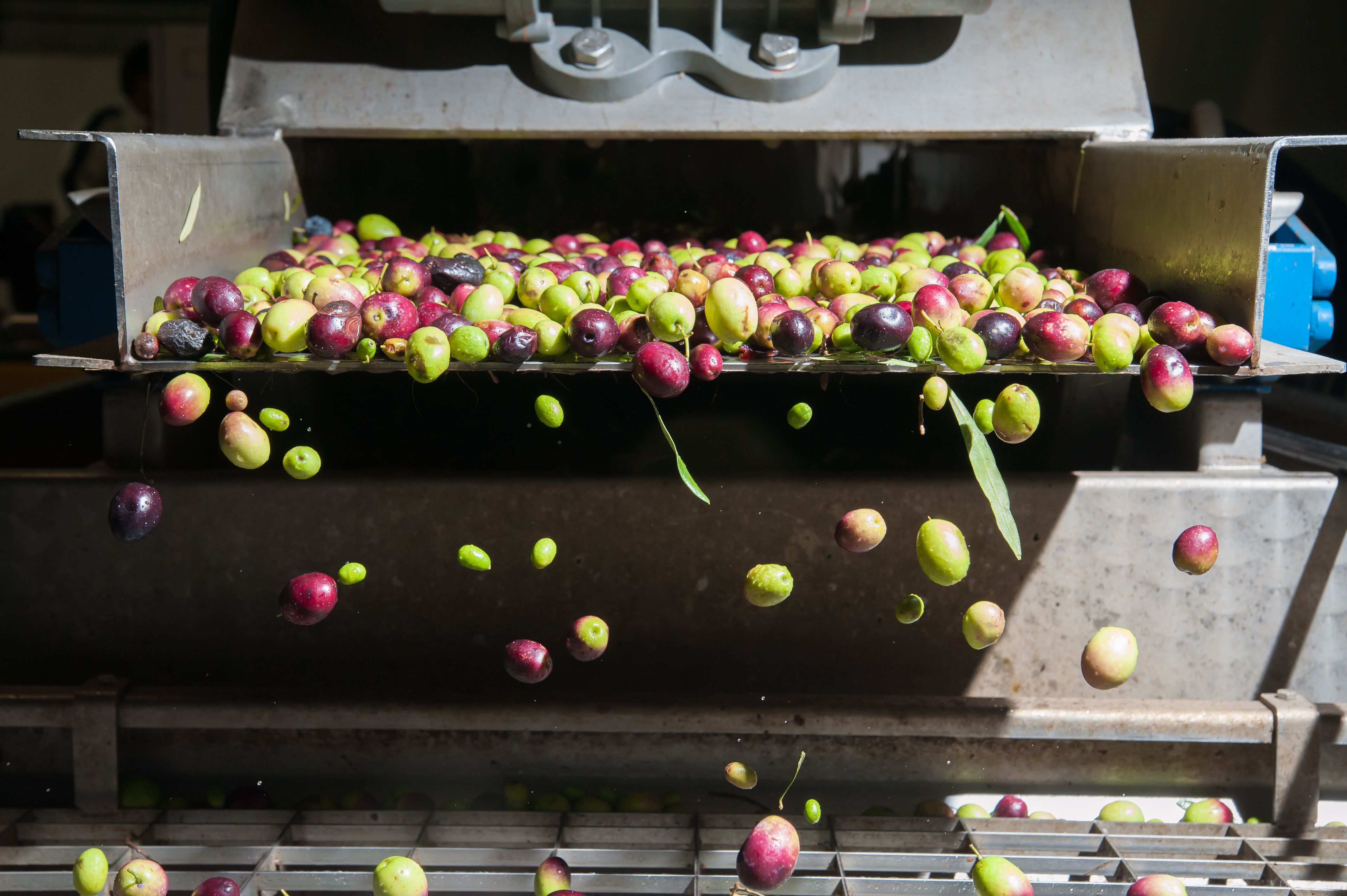
Once harvested, the olives are quickly transported to the mill to prevent deterioration. At the mill, the olives are thoroughly washed to remove any impurities. The next step involves crushing the olives into a paste, which releases the oil contained within the fruit.
Extracting the Liquid Gold
After the olives are crushed, the paste undergoes a process called malaxation, where it is slowly mixed to encourage the oil droplets to combine. This step is crucial for maximizing oil yield. The paste is then subjected to either a centrifuge or a traditional press to separate the oil from the olive solids and water.
Quality Control and Storage
Once extracted, the oil is filtered to remove any remaining particles. Quality control tests are conducted to ensure the oil meets the required standards for taste, acidity, and purity. The oil is then stored in stainless steel tanks to preserve its freshness and flavor until it is ready to be bottled.

Bottling and Packaging
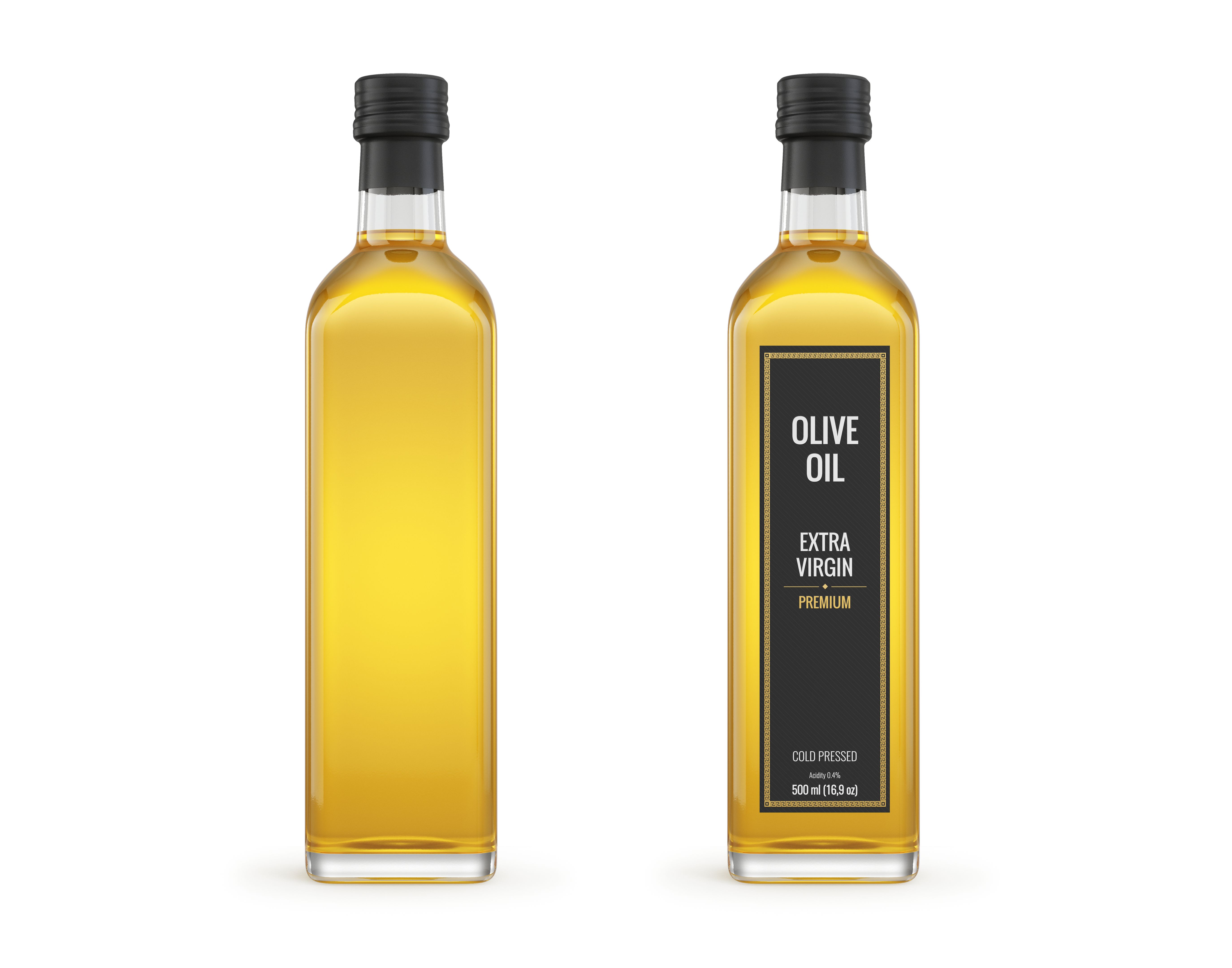
The final stage in the olive oil production process is bottling. The oil is carefully poured into bottles, often made of dark glass to protect it from light and preserve its quality. Packaging is an essential aspect, as it not only protects the oil but also serves as a marketing tool that reflects the brand's identity and values.
The Role of Technology and Tradition
The olive oil production process is a blend of ancient traditions and modern technology. While new machinery and techniques have improved efficiency and yield, many producers still adhere to time-honored methods that have been passed down through generations. This balance ensures that each bottle of olive oil is a testament to both innovation and heritage.
From Bottle to Table
Once the olive oil reaches consumers, it becomes a versatile ingredient in their culinary creations. Whether used for cooking, dressing salads, or simply drizzling over dishes, olive oil enhances flavor and offers numerous health benefits, including antioxidants and healthy fats.
Conclusion
The journey from grove to bottle is a complex and meticulous process, reflecting the dedication of farmers, millers, and producers. Each step plays a vital role in ensuring that the final product is of the highest quality, allowing consumers to enjoy the rich flavors and benefits of authentic olive oil.