Olive Oil Myths: Separating Fact from Fiction
NB
Understanding Olive Oil: Myths and Facts
Olive oil has been a staple in kitchens around the world for centuries. However, with its popularity comes a host of myths and misconceptions. In this blog post, we aim to separate fact from fiction, helping you make informed decisions about this beloved oil.
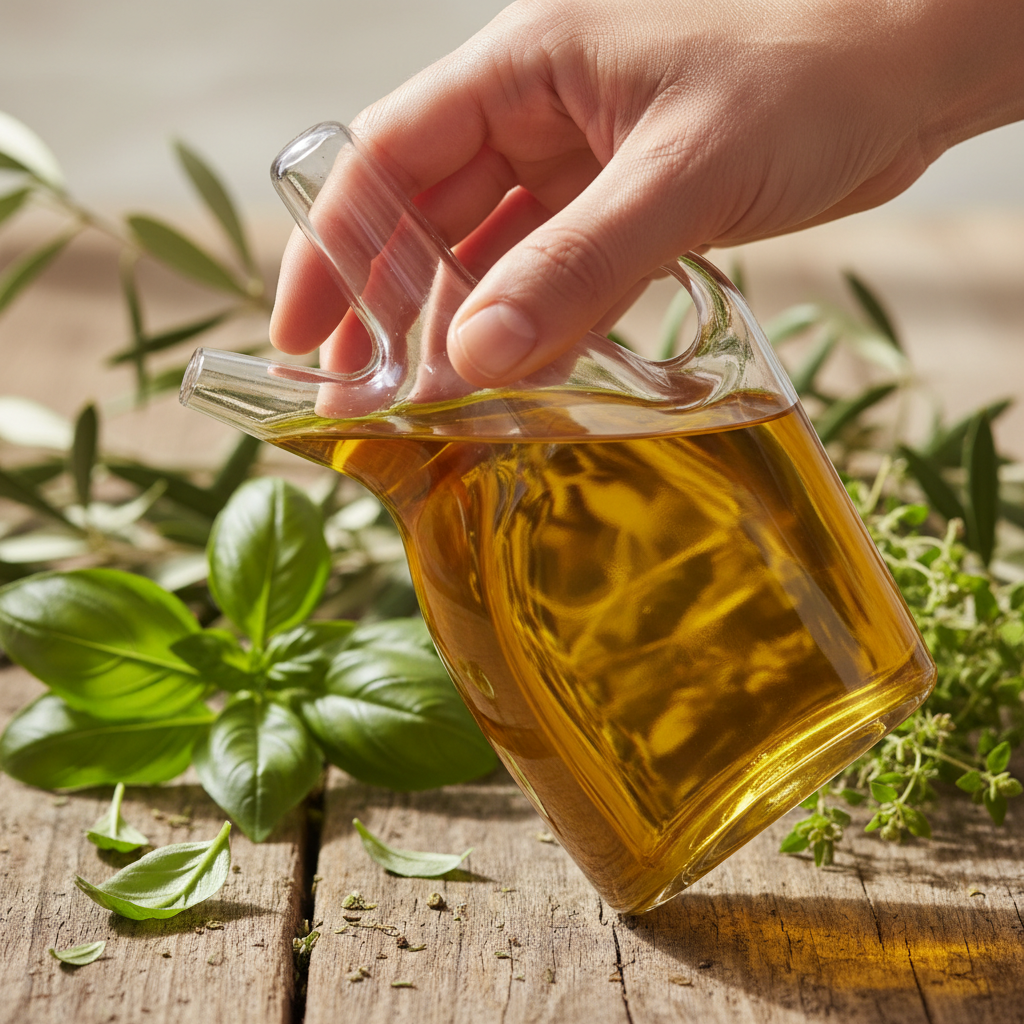
Myth 1: All Olive Oils Are the Same
One common myth is that all olive oils are created equal. In reality, there are several types of olive oil, each varying in quality, flavor, and nutritional value. Extra virgin olive oil (EVOO) is considered the highest quality, made from pure, cold-pressed olives without the use of chemicals or heat.
Virgin olive oil and regular olive oil are also available, but they undergo different processing methods. These types tend to have lower nutritional value compared to EVOO. Understanding these differences helps you choose the right oil for your culinary needs.
Myth 2: Olive Oil Is Not Suitable for Cooking
Another misconception is that olive oil is unsuitable for cooking due to its low smoke point. While it's true that extra virgin olive oil has a lower smoke point than some other oils, it is still perfectly safe for most cooking methods, including sautéing and baking.
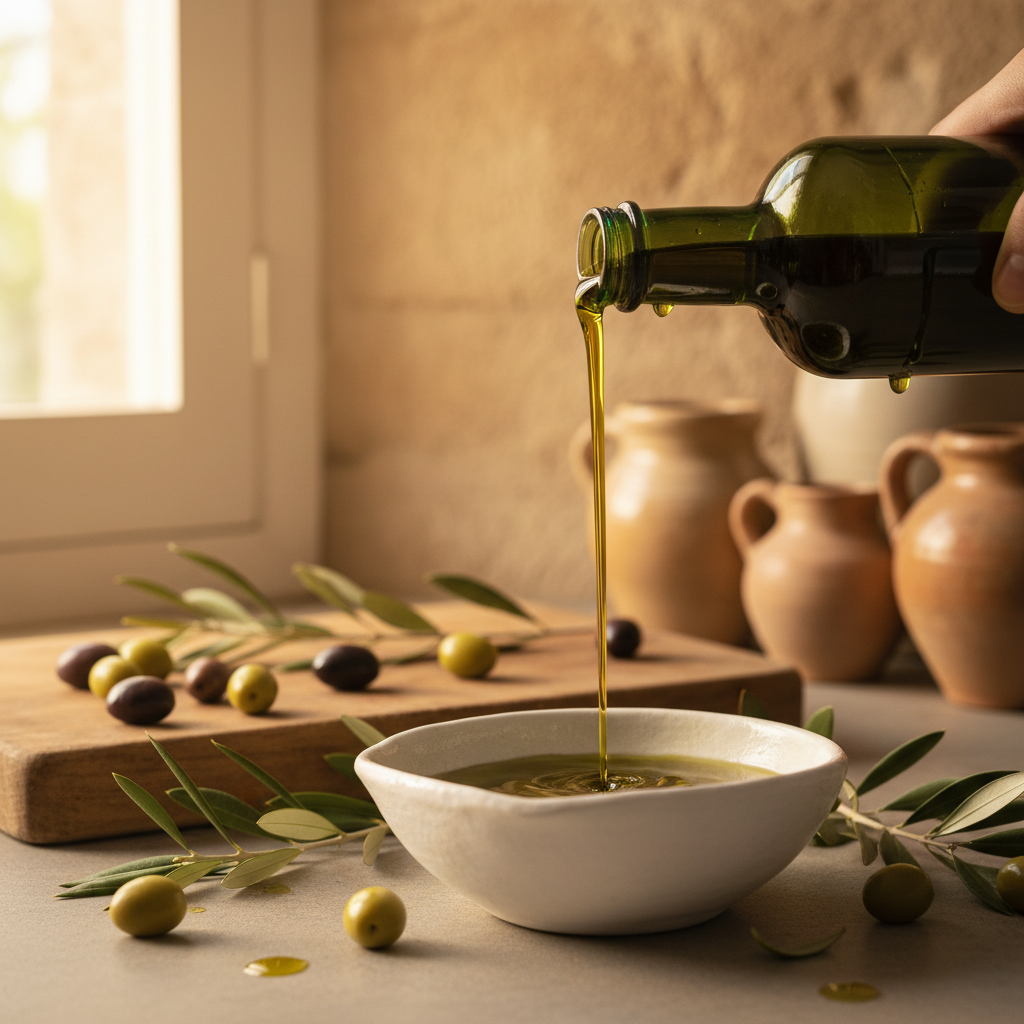
The key is to use it within its temperature range and avoid high-heat cooking methods like deep frying. Olive oil can enhance the flavor of your dishes while providing numerous health benefits.
Myth 3: Olive Oil Is Fattening
Many people avoid olive oil because they believe it will lead to weight gain. However, olive oil is rich in healthy monounsaturated fats that can support heart health and aid in weight management when consumed in moderation.
Incorporating olive oil into a balanced diet can actually help promote satiety and prevent overeating. It's about portion control and making smart choices rather than cutting out fats entirely.
Myth 4: Olive Oil Lasts Indefinitely
Some assume that olive oil has an indefinite shelf life. In reality, olive oil can go rancid over time, especially when exposed to light, heat, and air. It's crucial to store olive oil in a cool, dark place and use it within 12-18 months of purchase for the best flavor and quality.
Check for a harvest date on the label to ensure freshness. Using older olive oil won't harm you, but it may not have the same flavor and nutritional benefits.
Myth 5: Dark Bottles Are Just for Show
The dark bottles that often house olive oil are not just for aesthetics. They play an essential role in protecting the oil from light, which can degrade its quality. When purchasing olive oil, opt for those in dark glass bottles or tins to ensure longevity.
By understanding these myths and facts, you can make more informed choices about incorporating olive oil into your diet. Enjoy its rich flavors and numerous health benefits with confidence!