Taste the Difference: What Makes Greek Olive Oil Unique?
NB
The Rich History of Greek Olive Oil
Greek olive oil has been a staple in Mediterranean diets for thousands of years. The tradition of olive cultivation in Greece dates back to ancient times, with evidence suggesting that olive trees were grown in Crete as far back as 3500 BC. This long history is not just about the cultivation process; it is deeply intertwined with Greek culture, cuisine, and even mythology.
One of the key factors that make Greek olive oil unique is its connection to the land and heritage. The methods used to harvest and produce olive oil have been passed down through generations, ensuring that each bottle carries a piece of history.
The Unique Climate and Terrain
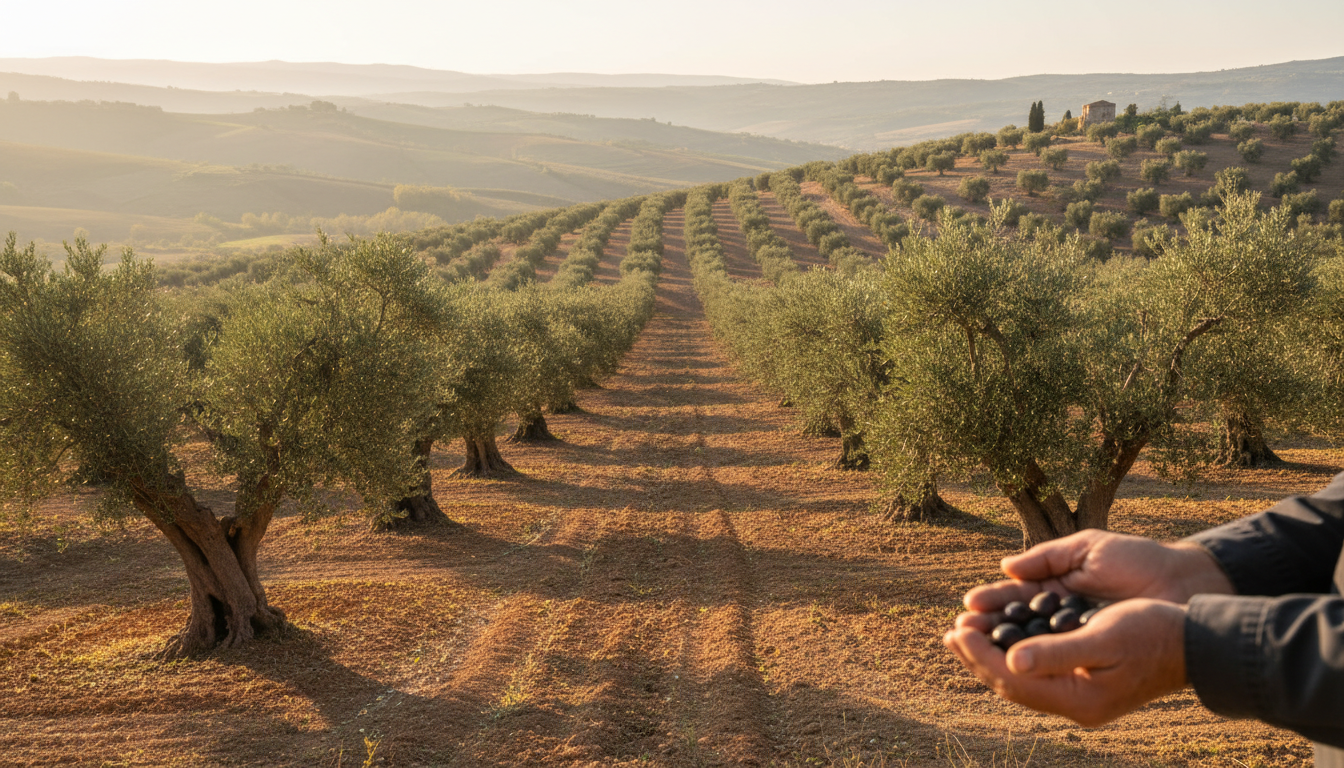
The Mediterranean climate is ideal for olive trees, providing the right balance of sun, rain, and temperature. Greece's varied terrain, with its mountains and coastal areas, offers diverse growing conditions that influence the taste and quality of the oil.
The specific regions where olives are grown, such as Kalamata and Crete, contribute distinct flavors and aromas, making Greek olive oil a versatile ingredient in cooking. The combination of soil, climate, and traditional farming techniques ensures that Greek olive oil remains a cut above the rest.
Flavor Profile and Nutritional Benefits
Greek olive oil is renowned for its robust flavor, characterized by a rich, fruity taste with hints of herbs and a peppery finish. This unique flavor profile is a result of the specific olive varieties grown in Greece, such as Koroneiki and Athinolia.
Beyond taste, Greek olive oil is celebrated for its health benefits. It is rich in monounsaturated fats, antioxidants, and vitamins E and K. These nutrients contribute to heart health, reduce inflammation, and support overall well-being.

Traditional Harvesting Techniques
The process of harvesting olives in Greece is a careful and time-honored tradition. Many farmers still use hand-picking methods to ensure that the olives are not bruised, preserving the quality of the oil. This gentle approach is part of what sets Greek olive oil apart from mass-produced alternatives.
Once harvested, the olives are quickly transported to mills for pressing. The speed and care taken in this process ensure that the oil retains its vibrant flavor and nutritional properties.
How to Choose Authentic Greek Olive Oil
When shopping for Greek olive oil, it’s essential to look for certain indicators of authenticity and quality. Here are some tips:
- Check for the Protected Designation of Origin (PDO) label, which ensures the oil is produced in specific Greek regions.
- Look for oils that are cold-pressed, as this method preserves the nutrients and flavor.
- Examine the packaging for a harvest date to ensure freshness.
By choosing authentic Greek olive oil, you can enjoy the full spectrum of flavors and benefits that this extraordinary product has to offer.
Incorporating Greek Olive Oil into Your Diet
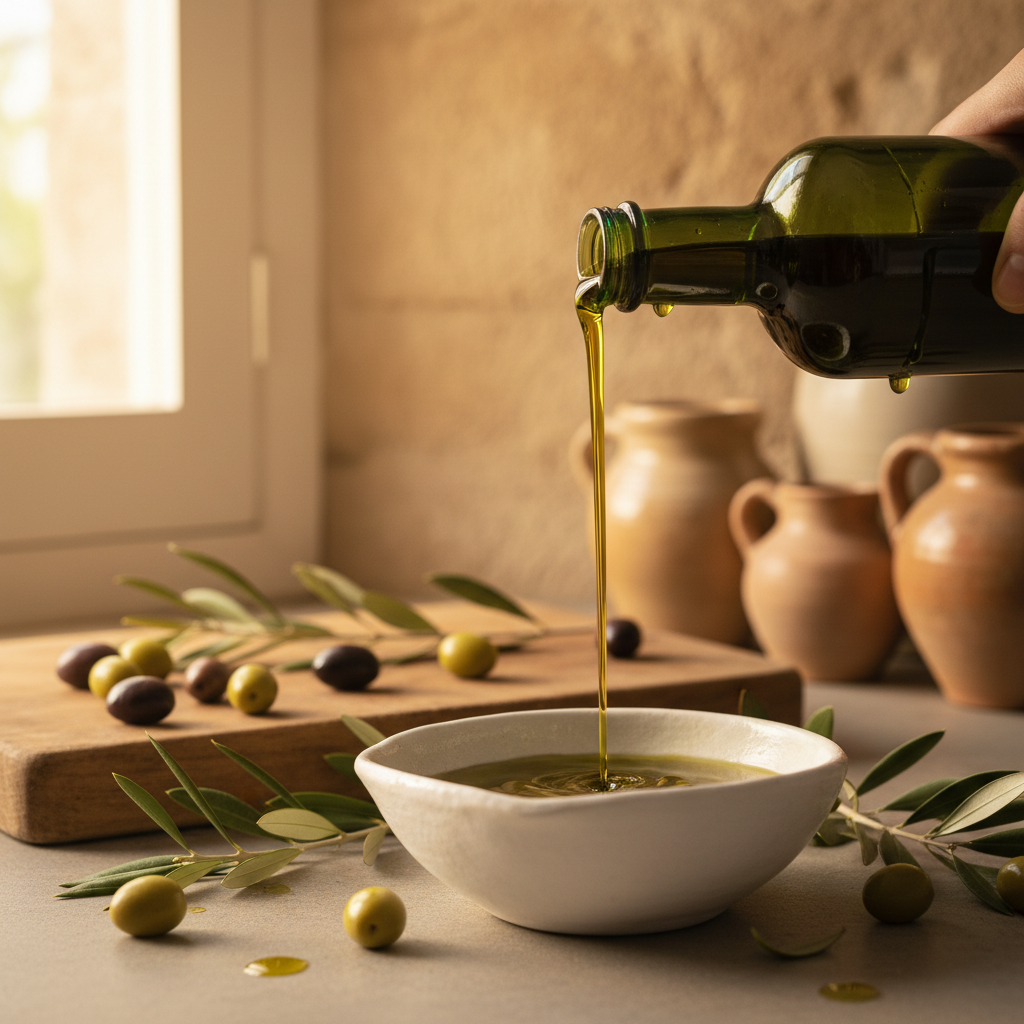
Greek olive oil can enhance various dishes, from salads to main courses. Its rich flavor complements fresh vegetables, grilled meats, and even desserts. Here are some simple ways to incorporate it into your meals:
- Drizzle it over a Greek salad for an authentic touch.
- Use it as a finishing oil on grilled fish or meat.
- Add it to your favorite pasta dish for added richness.
Experimenting with Greek olive oil can elevate your culinary creations, providing both taste and health benefits.