The Art of Greek Olive Oil: Understanding Its Rich History and Production
NB
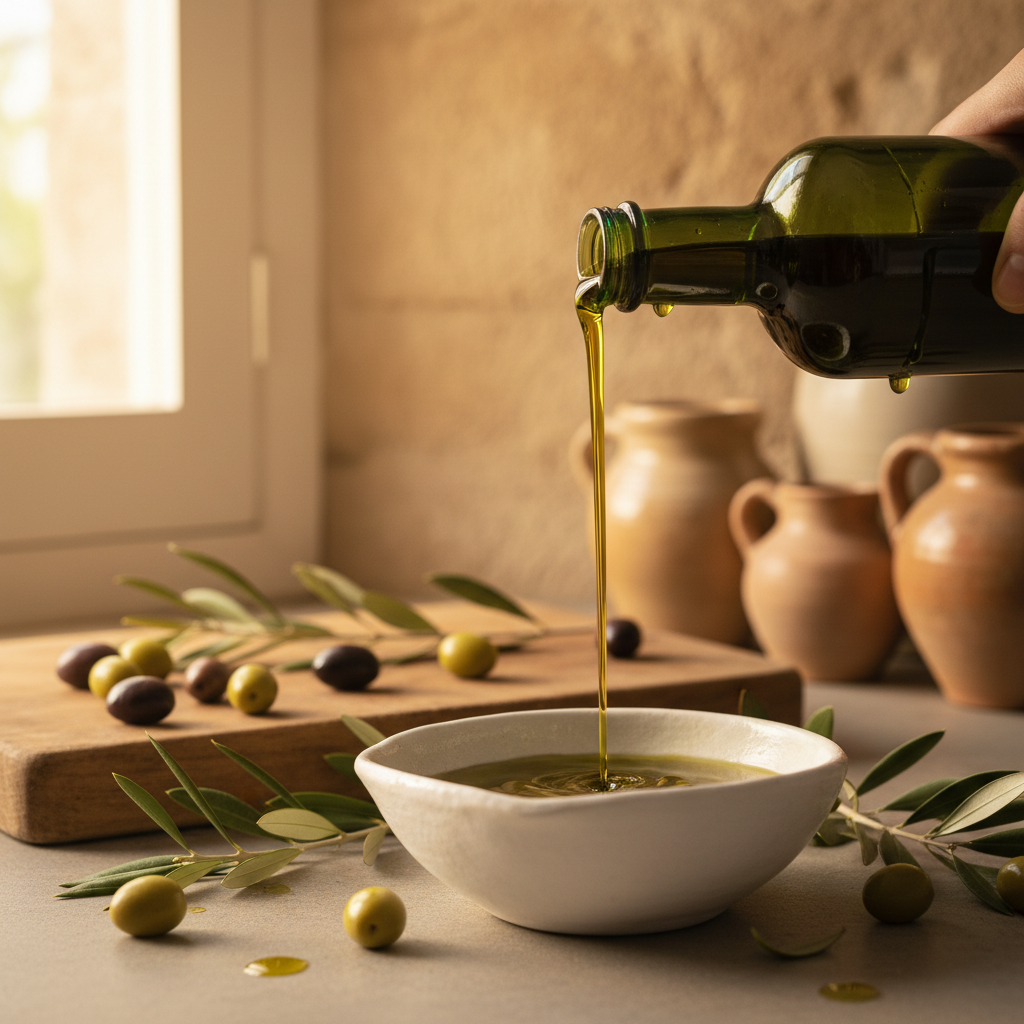
Greek olive oil, often referred to as "liquid gold," is renowned for its exceptional quality and rich flavor. Its history dates back thousands of years, intertwining deeply with the culture and traditions of Greece. As you savor its unique taste, you are also tasting a piece of history and a testament to the dedication of countless generations.
The Historical Roots of Greek Olive Oil
The cultivation of olive trees in Greece began as early as 3,000 BC, with evidence of olive oil production found in ancient Minoan ruins. Over the centuries, olive oil became a staple of Greek life, used not only in cooking but also in religious ceremonies and as a symbol of peace and prosperity. The ancient Greeks even used olive oil to crown the victors of the Olympic Games.
Olive oil's significance extended beyond the borders of Greece. It was a vital trade commodity, spreading Greek influence and culture throughout the Mediterranean. Today, the legacy of this ancient trade continues, with Greece being one of the world's top producers of olive oil.

The Production Process: From Tree to Table
The production of Greek olive oil is a meticulous process that combines traditional methods with modern technology. It all begins with the careful cultivation of olive trees, primarily in regions like Crete, Peloponnese, and the Ionian Islands. Here, the climate and soil create the perfect environment for high-quality olives.
Harvesting and Extraction
Olive harvesting typically occurs between November and January. The olives are picked at the peak of ripeness to ensure the best flavor and nutritional value. After harvesting, the olives are quickly transported to mills where they undergo cold pressing. This method preserves the oil's natural antioxidants and nutrients, resulting in a superior product.

Quality and Varieties
Greek olive oil is classified into various categories based on quality, with "extra virgin" being the highest grade. This classification is determined by factors such as acidity level and flavor profile. Greek olive oils are often praised for their fruity, robust taste, with popular varieties including Koroneiki, Athinolia, and Kalamata.
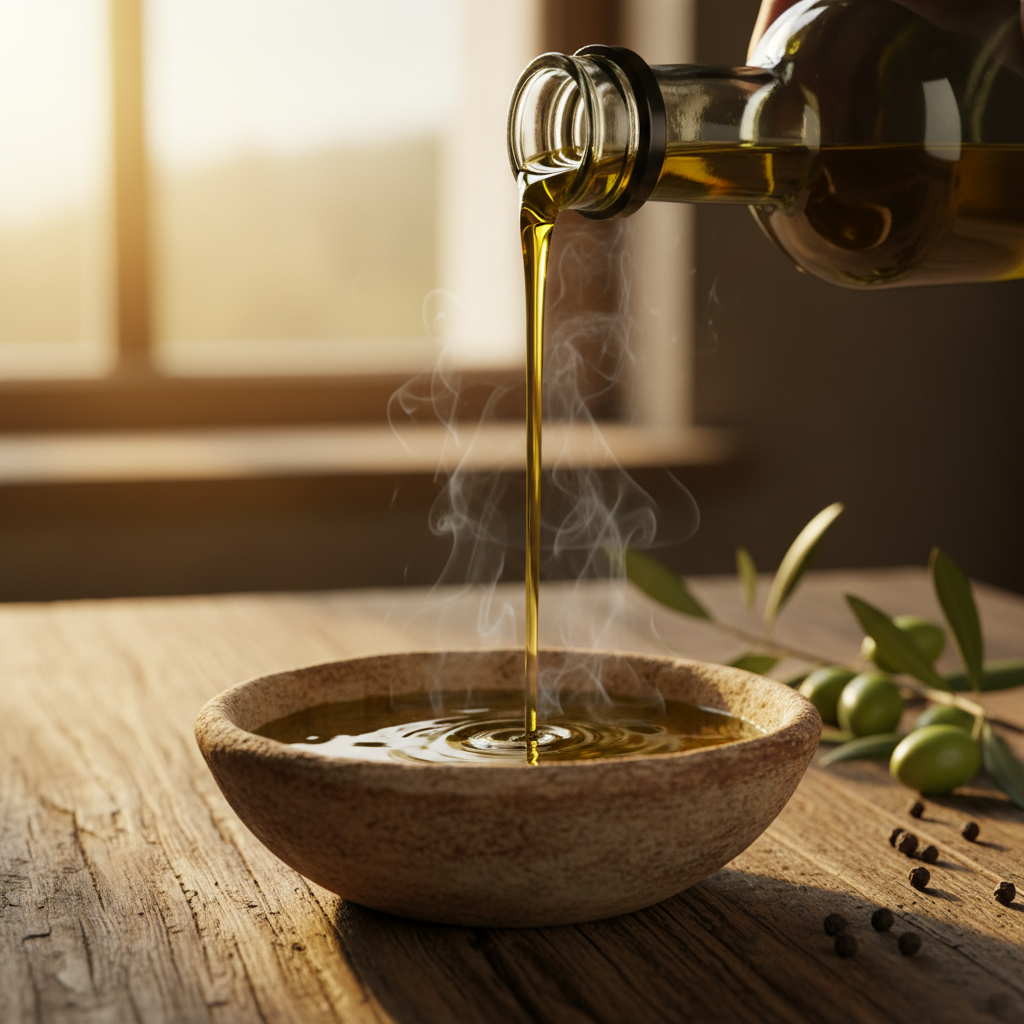
In addition to its culinary uses, Greek olive oil is celebrated for its health benefits. Rich in monounsaturated fats and antioxidants, it is linked to improved heart health and reduced inflammation. This makes it not only a delicious choice but also a nourishing one.
The Cultural Significance of Olive Oil in Greece
Olive oil is more than just a cooking ingredient in Greece; it is a cultural icon. It plays a central role in Greek cuisine, enhancing the flavors of dishes like salads, grilled meats, and even desserts. Furthermore, olive oil is a symbol of hospitality and heritage, often given as a gift to honor guests.
Understanding the art of Greek olive oil offers a glimpse into the history and soul of Greece. Its production is a harmonious blend of tradition and innovation, resulting in a product that is both timeless and modern. Whether drizzled over a salad or enjoyed with fresh bread, Greek olive oil continues to captivate the senses and connect us with a rich cultural legacy.