The Art of Olive Harvesting: A Behind-the-Scenes Look in Greece
NB
The olive tree, a timeless symbol of peace and prosperity, plays a crucial role in the cultural and economic fabric of Greece. Each year, as autumn unfolds, the art of olive harvesting commences, transforming the serene Greek countryside into a bustling hub of activity. This ancient practice, deeply rooted in tradition, offers a fascinating glimpse into the world of olive oil production.
The Significance of Olive Harvesting
Olives have been cultivated in Greece for thousands of years. The country’s unique climate and rich soil make it an ideal location for producing some of the finest olives in the world. Olive harvesting is not merely an agricultural task; it’s a cultural event that brings families and communities together.
In Greece, the olive harvest is often viewed as a celebration. Families gather to participate in the harvest, sharing stories and traditions passed down through generations. This communal effort is a testament to the importance of olives in Greek society.
The Harvesting Process
Preparation
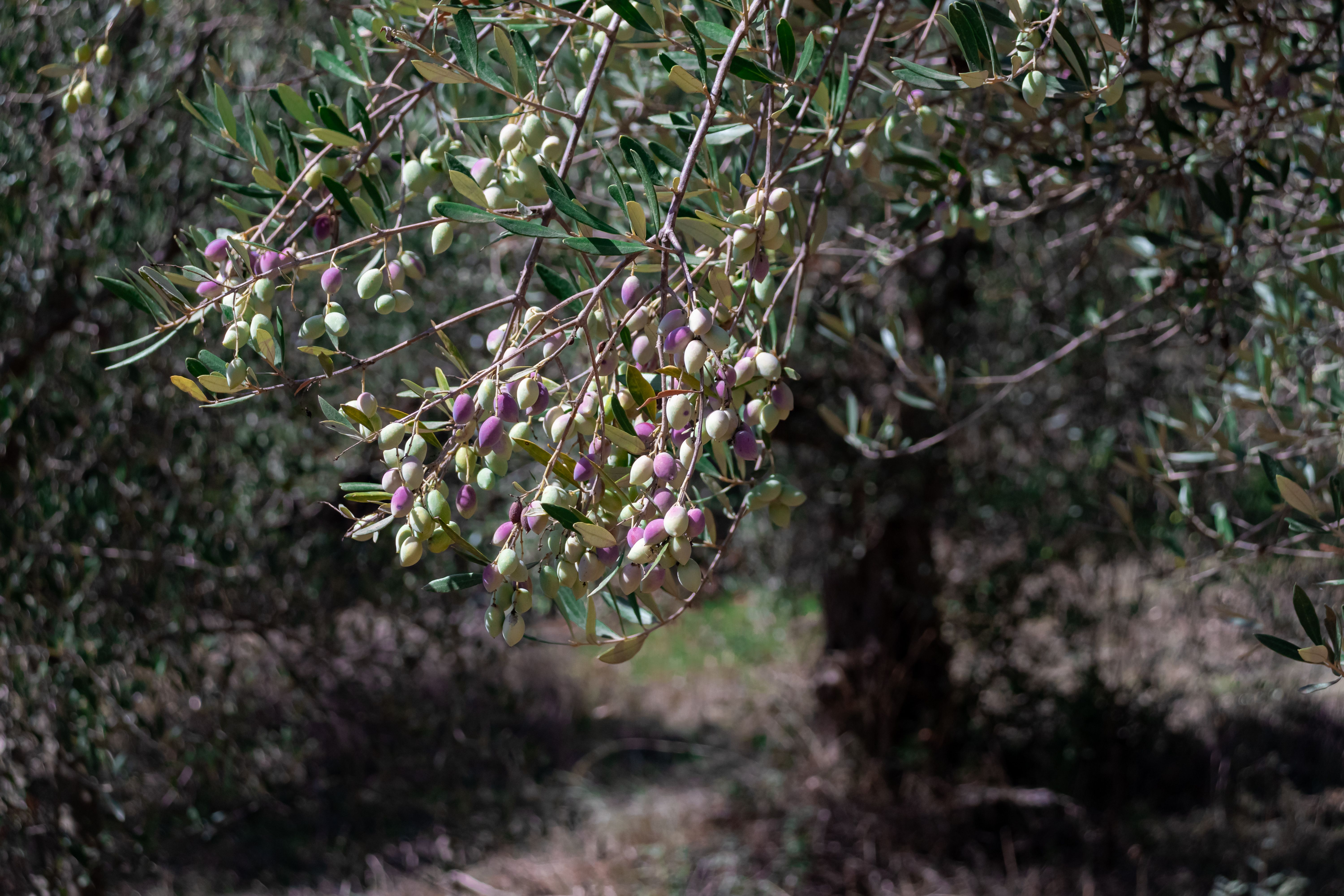
The process begins with the careful preparation of the olive groves. Farmers inspect the trees, ensuring they are healthy and ready for the harvest. This involves pruning and sometimes irrigating the trees to encourage optimal growth.
Methods of Harvesting
There are several methods used to harvest olives, ranging from traditional hand-picking to more modern mechanical techniques. The method chosen often depends on the type of olive and the desired quality of the oil.
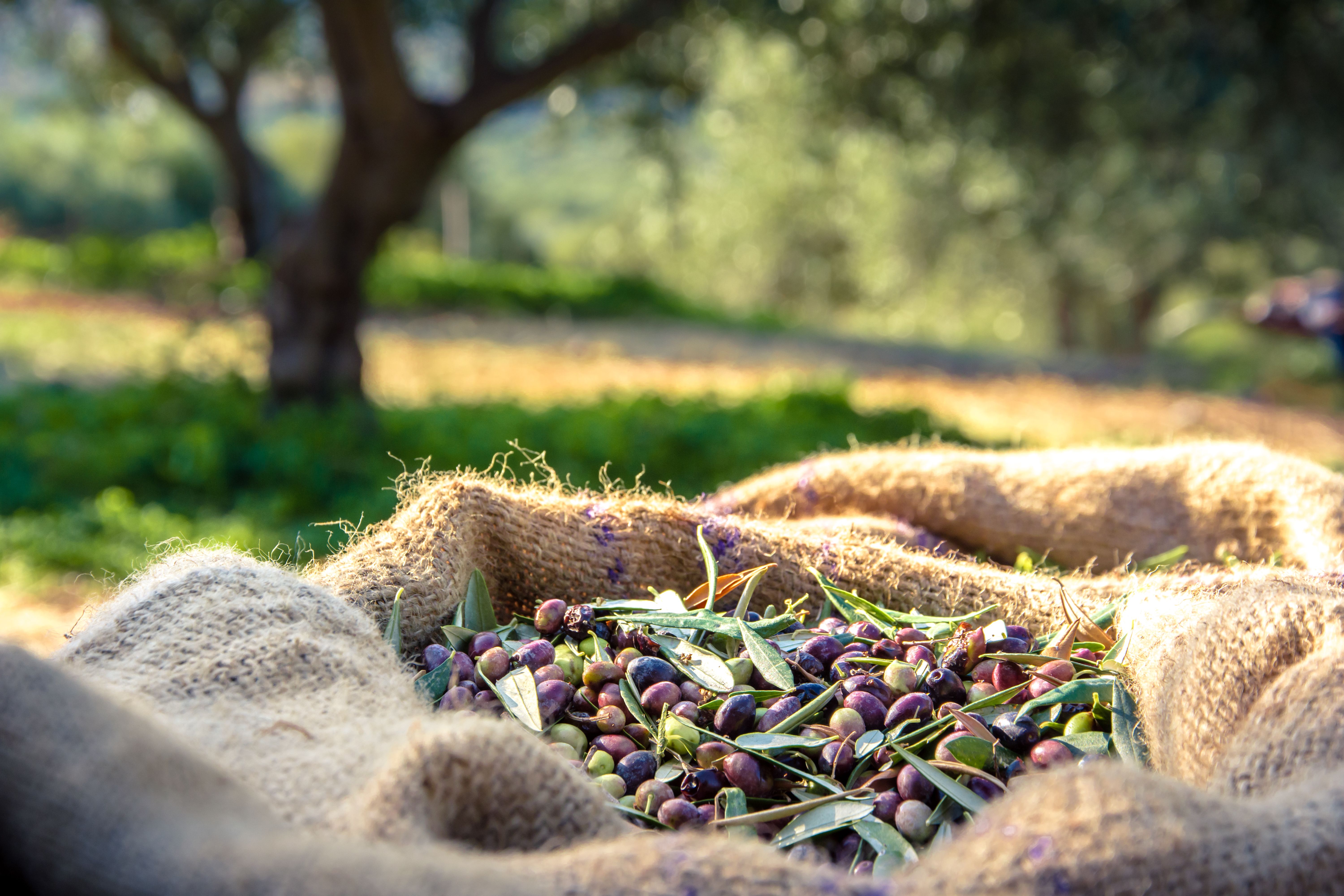
- Hand-Picking: This traditional method involves gently plucking olives from the branches, ensuring minimal damage to the fruit and tree.
- Mechanical Harvesting: Some farmers use shakers or beaters to dislodge the olives, which are then collected in nets spread beneath the trees.
Regardless of the method, timing is crucial. Olives must be harvested at just the right moment to achieve the desired flavor and quality.
From Grove to Press
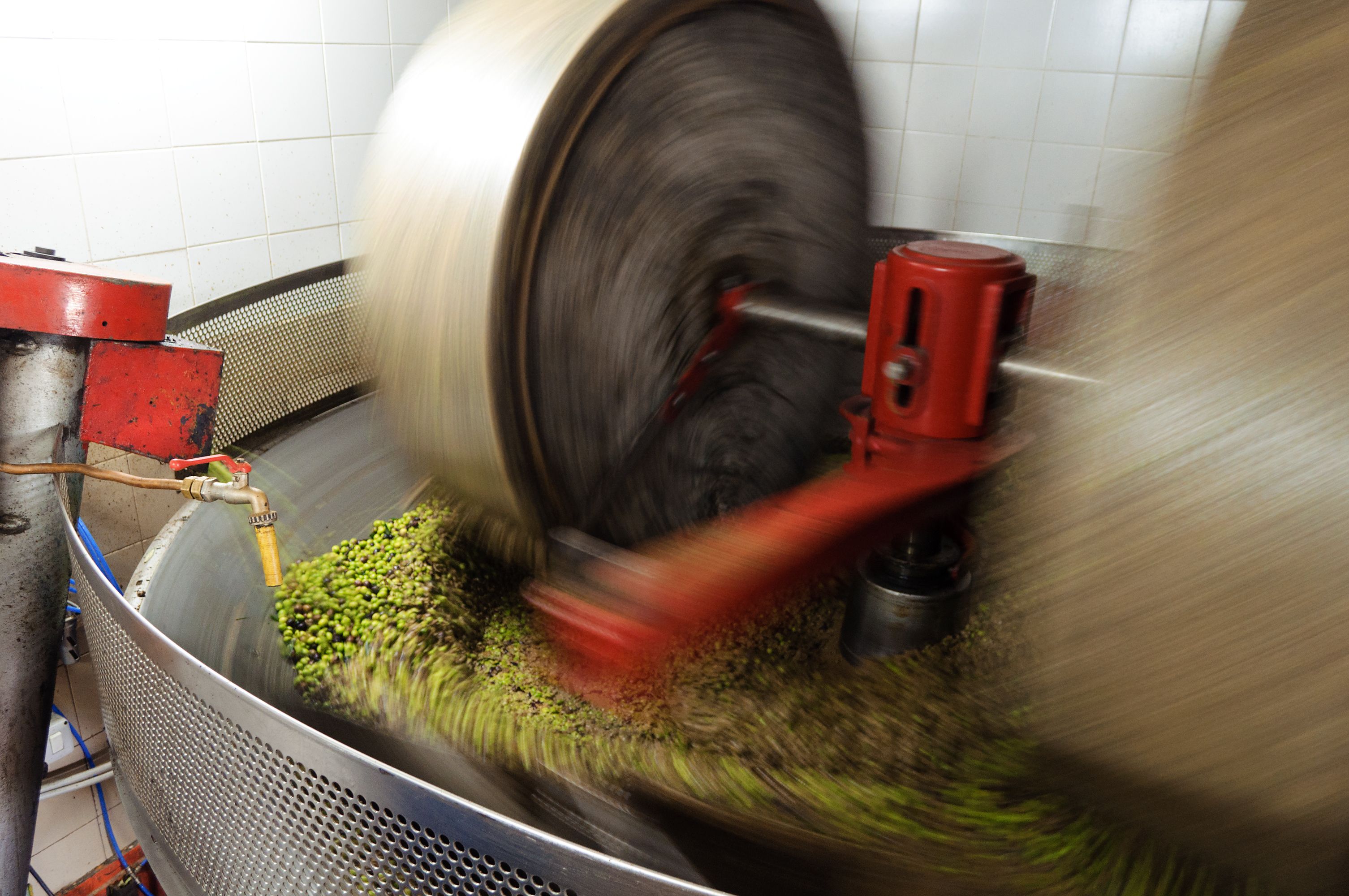
Once harvested, the olives are sorted and cleaned to remove any debris. This step is vital to ensure the purity of the olive oil. The olives are then transported to a mill where they are pressed to extract the oil. This process, known as cold pressing, preserves the natural flavors and nutrients of the olive oil.
After pressing, the oil is left to settle and then filtered. The result is a rich, golden liquid known for its exceptional taste and health benefits. Greek olive oil is renowned worldwide for its quality, and much of this is due to the meticulous harvesting and production processes.
The Impact on Local Communities
The olive harvest significantly impacts local economies in Greece. It provides employment and supports many small farmers and producers. Moreover, the tradition of olive harvesting strengthens community bonds and preserves cultural heritage.
Visitors to Greece during the harvest season often have the opportunity to participate in the process, offering a unique and immersive cultural experience. This connection to the land and its people is a memorable aspect of Greek life.
In conclusion, the art of olive harvesting in Greece is a beautiful blend of tradition, community, and meticulous craftsmanship. It is a practice that not only produces some of the finest olive oil in the world but also preserves the rich cultural legacy of this ancient land.