The Journey of Greek Gourmet Olives: From Grove to Table
NB
The Origins of Greek Gourmet Olives
The journey of Greek gourmet olives begins in the sun-drenched groves of Greece, where the Mediterranean climate and rich soil create the perfect environment for olive cultivation. These olives have been an integral part of Greek culture and cuisine for thousands of years, with a heritage that dates back to ancient times.
Olive trees are not just agricultural assets but symbols of peace and prosperity. The cultivation process is deeply rooted in tradition, with generations of farmers passing down their knowledge and expertise. This dedication ensures that only the finest olives are selected for gourmet production.

The Harvesting Process
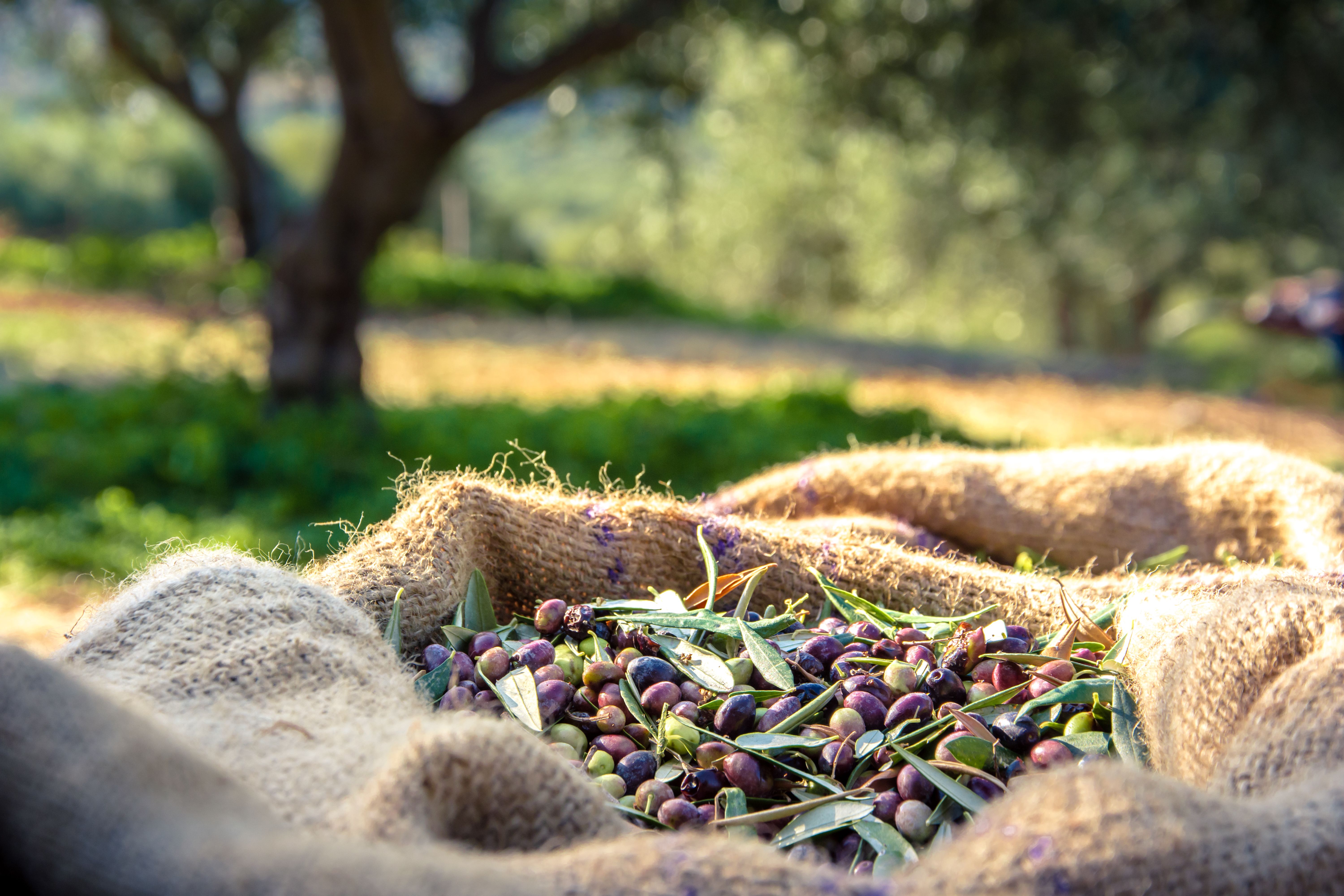
Harvesting olives is both an art and a science. The process typically begins in late autumn and can extend into early winter. Farmers carefully monitor the ripening process to determine the optimal time for picking, ensuring that the olives have the perfect balance of flavor and texture.
Traditionally, olives are hand-picked to prevent bruising and preserve quality. This labor-intensive method reflects the commitment of Greek farmers to maintaining the highest standards. Some modern groves also incorporate gentle mechanical methods to aid in the harvest.
From Olive to Olive Oil
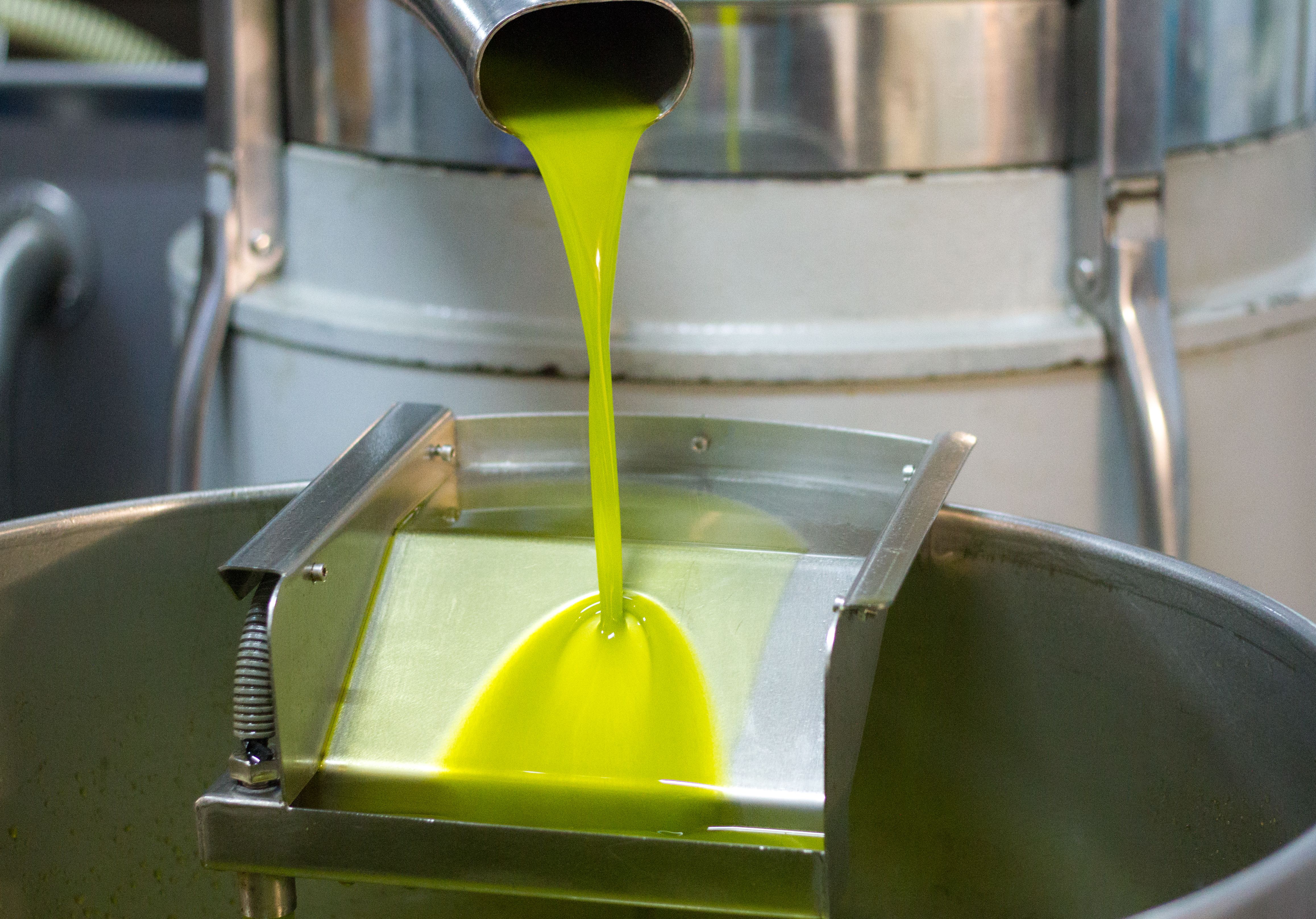
Once harvested, the olives are either cured for table consumption or pressed to produce olive oil. For gourmet olives, attention to detail is paramount during the curing process, which can involve brining, dry curing, or water curing methods. Each technique imparts a unique flavor profile, adding to the diversity of Greek olives.
Olive oil production, on the other hand, involves crushing the olives to extract their precious oil. This oil is then filtered and bottled, ready to enhance a wide variety of dishes with its rich, fruity flavor.
The Rich Flavors of Greek Olives
Greek gourmet olives are renowned for their diverse flavors and textures. Popular varieties include Kalamata, known for their almond shape and dark purple hue; and Halkidiki, which are larger and often stuffed with ingredients like garlic or almonds.
- Kalamata: Fruity and slightly tangy, perfect for salads and appetizers.
- Halkidiki: Crunchy and mild, ideal for stuffing.
- Amfissa: Soft and buttery, great as a standalone snack.
Health Benefits
Beyond their culinary appeal, Greek olives offer numerous health benefits. They are rich in monounsaturated fats, which are known to support heart health. Additionally, olives are a good source of antioxidants and anti-inflammatory compounds, making them a nutritious choice for any diet.
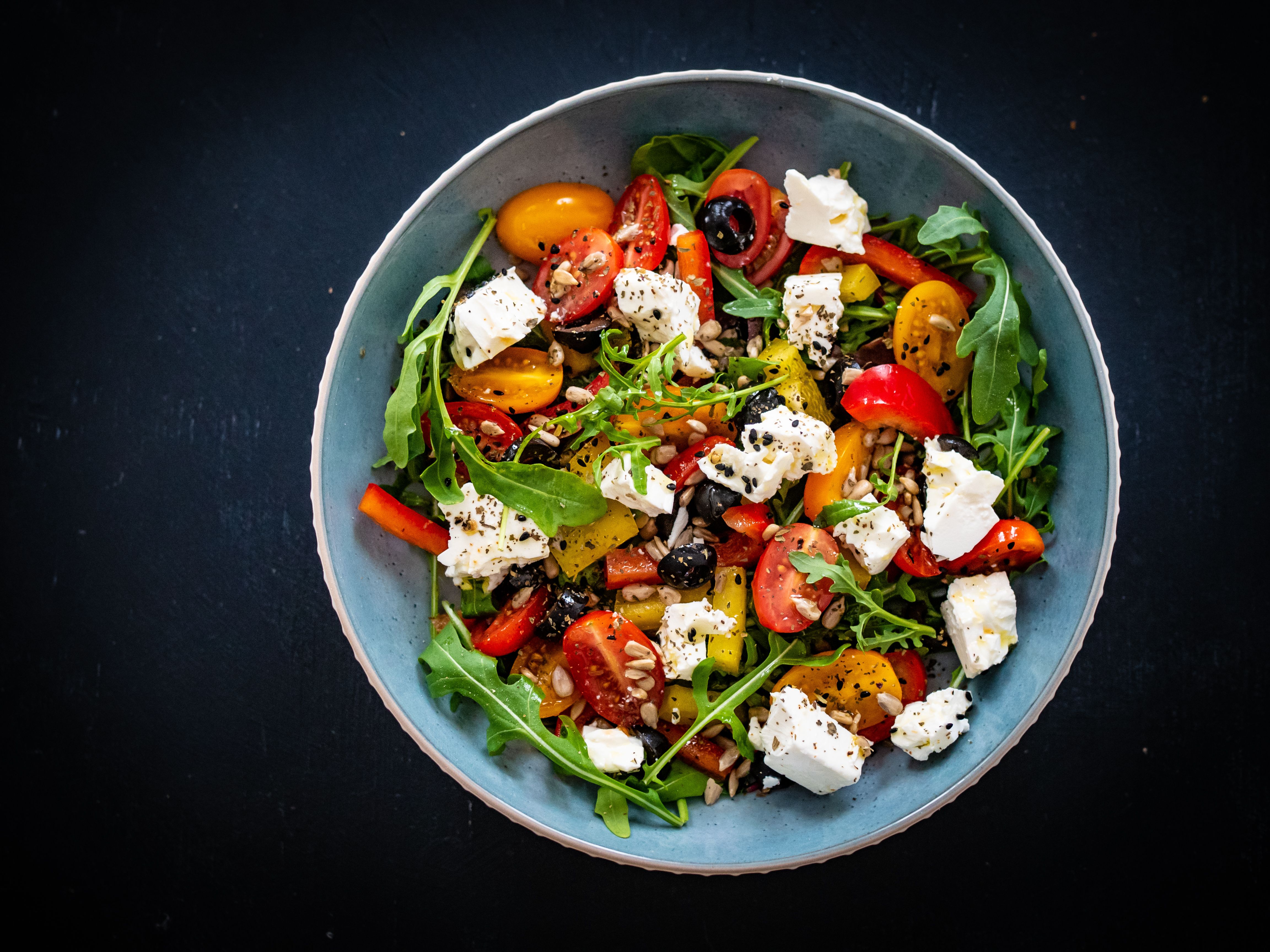
Including Greek olives in your meals not only adds flavor but also contributes to a balanced and healthy lifestyle. Their versatility allows them to be incorporated into a wide range of dishes, from simple salads to elaborate gourmet creations.
From Greece to Your Table
The journey of Greek gourmet olives from grove to table is a testament to the dedication and passion of Greek farmers and producers. Their commitment to quality ensures that every olive you enjoy is a true reflection of Greece’s rich culinary heritage.
Whether you are savoring them as a standalone snack or incorporating them into your favorite recipes, Greek olives bring a taste of the Mediterranean to your table. Their journey is a story of tradition, quality, and exceptional flavor that continues to captivate food enthusiasts around the world.