Understanding Olive Oil Labels: What to Look for When Buying
NB
Decoding Olive Oil Labels
When you're standing in the grocery aisle, confronted with a variety of olive oil choices, the labels can seem overwhelming. Understanding these labels is crucial for making an informed purchase that suits your culinary and health needs. Let's break down the essential elements you should be looking for.
Types of Olive Oil
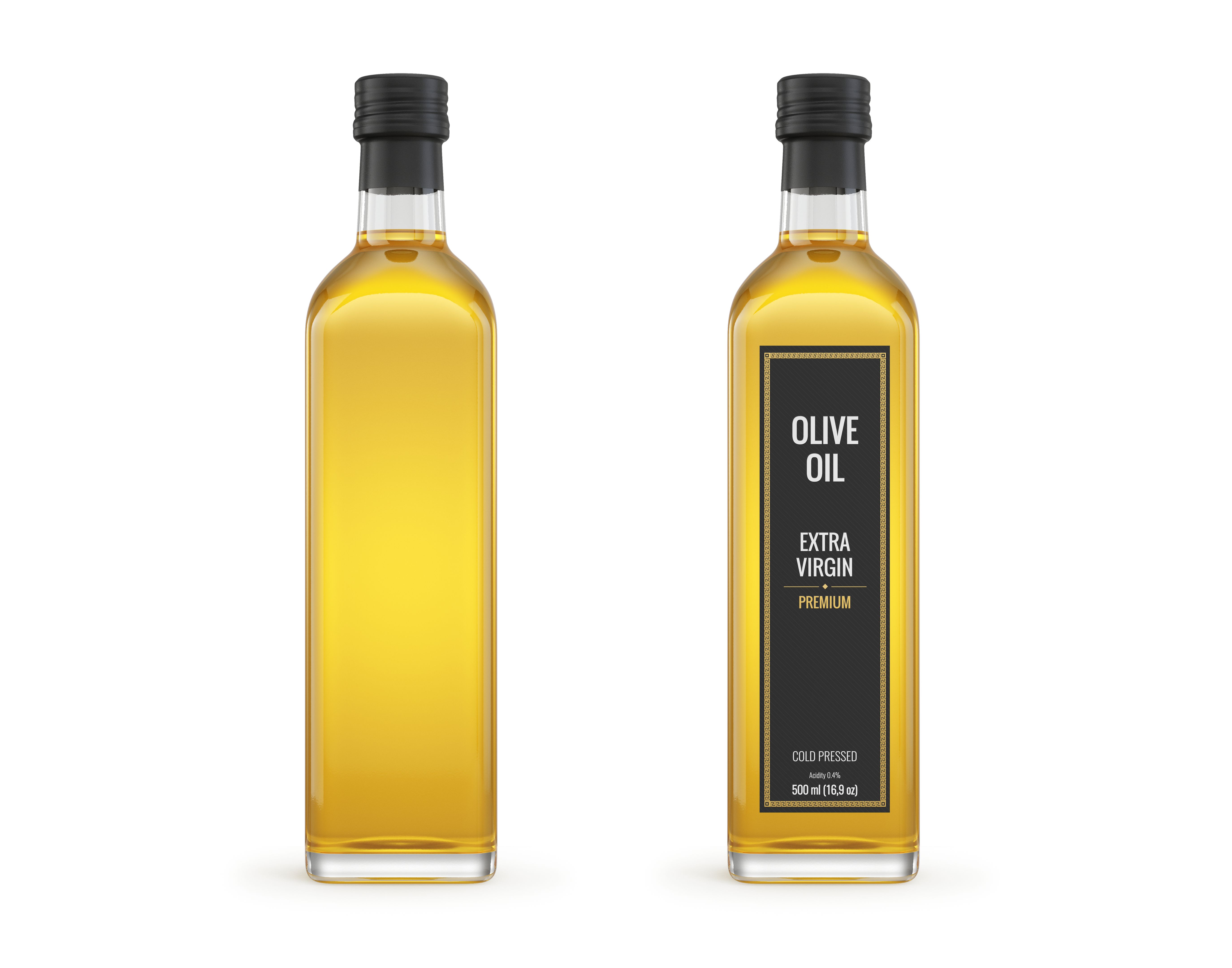
The first thing to notice on an olive oil label is the type. The most common categories are:
- Extra Virgin Olive Oil: This is the highest quality, made from pure, cold-pressed olives.
- Virgin Olive Oil: Slightly lower quality than extra virgin, but still made from cold-pressed olives.
- Pure Olive Oil: A blend of virgin and refined oils, often used for cooking rather than dressing.
- Light Olive Oil: Refers to the color and flavor, not calorie content, and is typically a refined oil.
Origin and Harvest Date
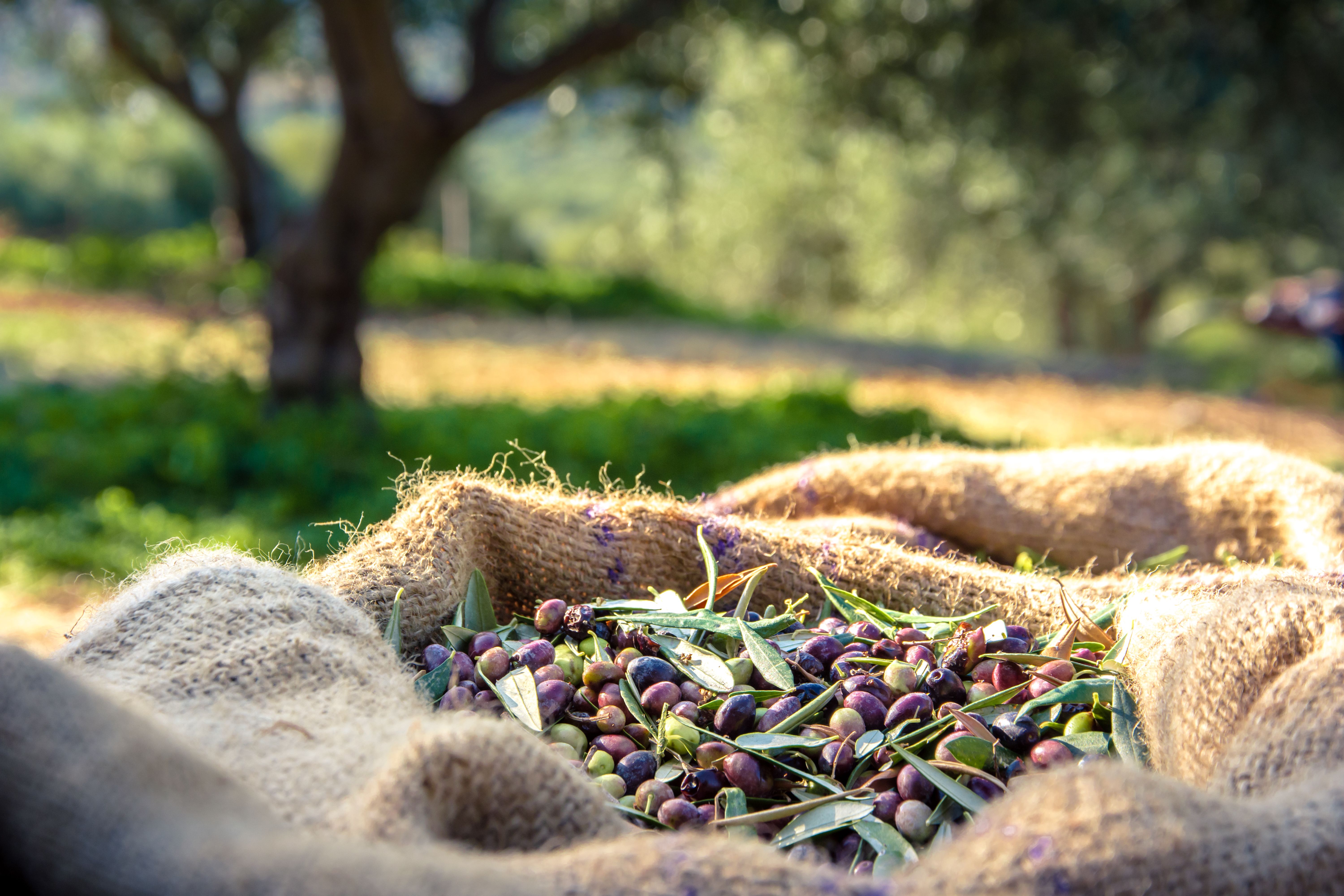
Next, consider the origin of the olive oil. Labels that specify a single country or region often indicate higher quality. The harvest date is also important, as olive oil is best consumed within 18 to 24 months of harvesting.
Certifications and Quality Seals
Look for certifications and quality seals, such as the International Olive Council (IOC) or Protected Designation of Origin (PDO). These certifications ensure that the oil meets specific quality standards.
Additionally, some bottles may include a "first cold-pressed" label, indicating that the oil was extracted without heat, preserving flavor and nutrients.

Reading the Ingredients
Always check the ingredient list. Authentic olive oil should have only one ingredient: olive oil. Be cautious of any additives or blends that might dilute the quality.
Understanding Acidity Levels
Acidity level is another crucial factor. Extra virgin olive oil should have acidity levels below 0.8%. Lower acidity often indicates better quality and a fresher taste.
Storage and Packaging
Finally, consider the packaging. Olive oil should be stored in dark glass bottles or tins to protect it from light, which can degrade quality. Avoid oils in clear containers unless they are stored in a box.
By understanding these label elements, you can confidently select an olive oil that meets your taste and health preferences, ensuring a delightful culinary experience.