Understanding the Art of Greek Olive Oil Production
NB
The Rich Heritage of Greek Olive Oil
In the sun-drenched landscapes of Greece, olive oil production is not just an industry; it's an art form deeply rooted in tradition and culture. Greek olive oil is renowned worldwide for its excellent quality and unique flavor. This article explores the meticulous process behind its production, shedding light on why Greek olive oil stands out.
The Journey from Olive Grove to Bottle
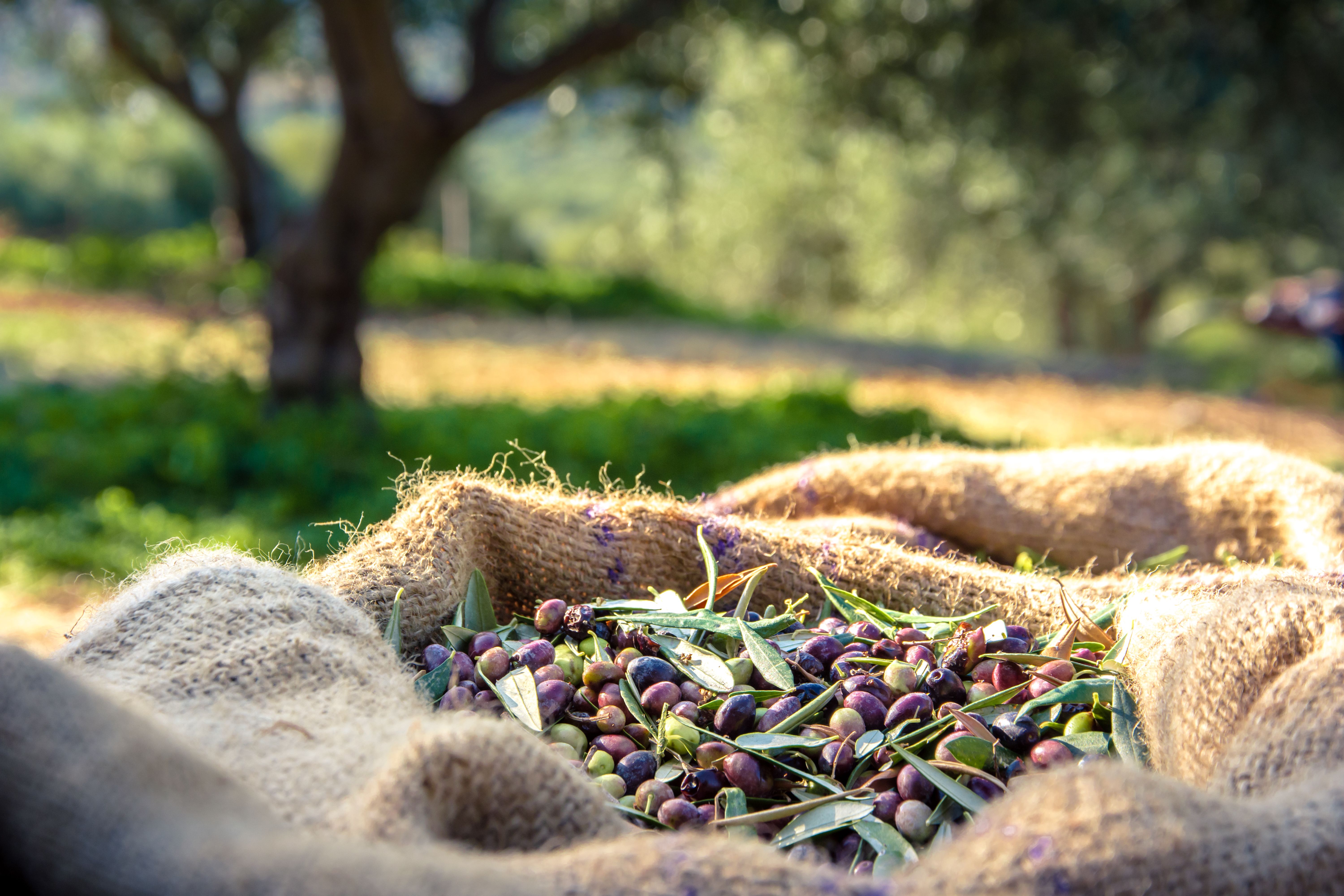
The journey of Greek olive oil begins in the olive groves, where centuries-old trees bask in the Mediterranean sun. The climate and soil conditions in Greece are perfect for olive cultivation, contributing to the rich taste of the oil. Harvesting typically takes place between November and January, ensuring the olives are ripe and ready for processing.
The harvesting process is a blend of tradition and modernity. While some producers still hand-pick olives to ensure the highest quality, others use mechanical shakers to expedite the process. Regardless of the method, the goal is to collect the olives without damaging them, preserving their natural goodness.
Pressing Perfection: Extracting the Liquid Gold
Once harvested, the olives are quickly transported to the mill. Speed is crucial to prevent degradation of the fruit and maintain the oil’s quality. At the mill, olives undergo washing to remove impurities before they are crushed into a paste. This paste is then slowly mixed to encourage oil droplets to combine.
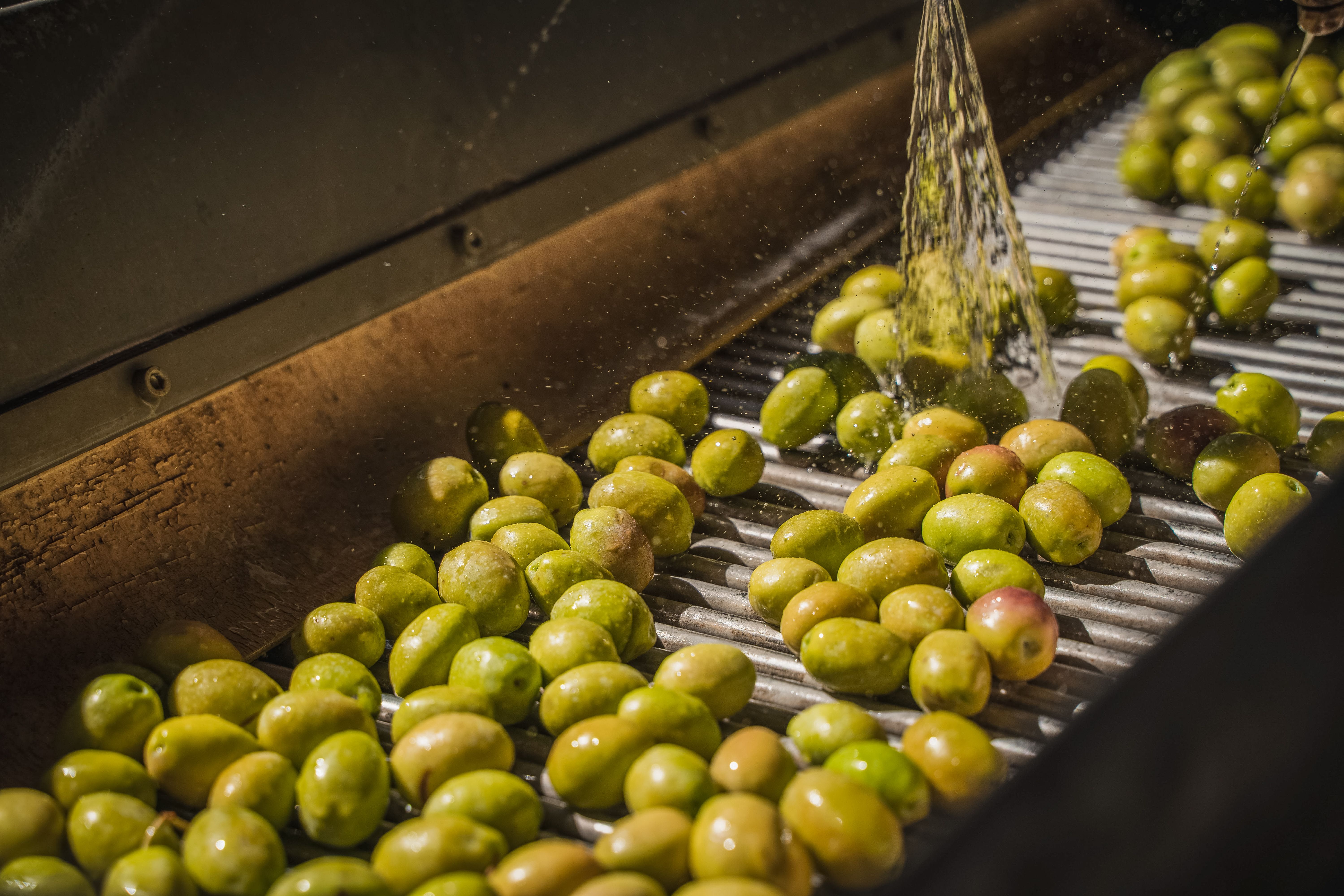
The next step is separating the oil from the paste. This is typically done using a centrifuge, which spins the mixture at high speeds. This process results in pure, high-quality extra virgin olive oil, characterized by its low acidity and rich flavor.
The Importance of Quality Control
Quality control is a cornerstone of Greek olive oil production. Producers adhere to strict standards to ensure every bottle meets the expectations of discerning consumers. Regular tasting and chemical analysis are conducted to verify the oil’s quality, flavor, and aroma.
Moreover, many Greek olive oils are certified by the PDO (Protected Designation of Origin) or PGI (Protected Geographical Indication) labels, which guarantee their authenticity and traceability. These certifications are a testament to the producers’ commitment to maintaining heritage and quality.
Health Benefits and Culinary Uses
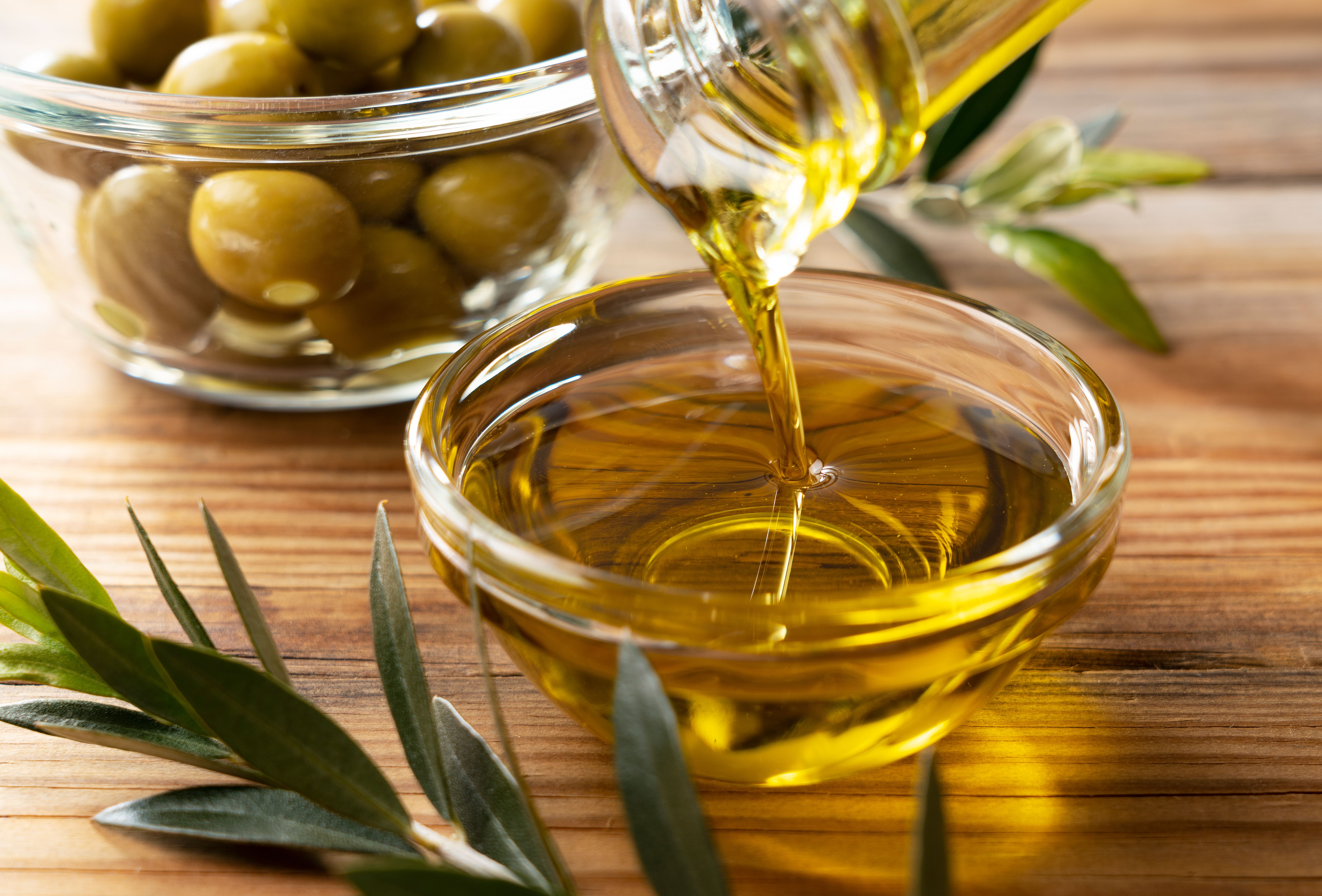
Greek olive oil is not only a staple in Mediterranean cuisine but also a powerhouse of health benefits. Rich in monounsaturated fats and antioxidants, it supports heart health and reduces inflammation. Its versatility makes it a valuable ingredient in various culinary applications, from salad dressings to sautéing and baking.
Incorporating Greek olive oil into your diet is a delicious way to enhance your meals while enjoying its numerous health benefits. It’s no wonder that it has been a cornerstone of the Mediterranean diet for centuries.
The Future of Greek Olive Oil
As demand for high-quality olive oil continues to grow, Greek producers are increasingly adopting sustainable practices to protect their ancient groves and the environment. These efforts ensure that the art of Greek olive oil production will thrive for generations to come.
In conclusion, understanding the art of Greek olive oil production offers a glimpse into a world where tradition, passion, and nature come together to create a product of unparalleled quality. Whether you're a culinary enthusiast or a health-conscious consumer, Greek olive oil is a treasure worth exploring.