Why Greek Olive Oil is a Must-Have in Your Kitchen
NB
The Rich Heritage of Greek Olive Oil
Greek olive oil is more than just a cooking ingredient; it's a vital part of Greece's cultural and historical fabric. Renowned for its superior taste and quality, Greek olive oil has been cherished since ancient times. The Mediterranean climate, with its abundant sunshine and fertile soil, provides the perfect environment for cultivating olive trees that produce some of the finest oils in the world.
One of the key reasons for the exceptional quality of Greek olive oil is the traditional cultivation and harvesting methods. Many Greek farmers still use age-old techniques passed down through generations, ensuring that the olives retain their natural flavors and nutrients.
Nutritional Benefits That Stand Out
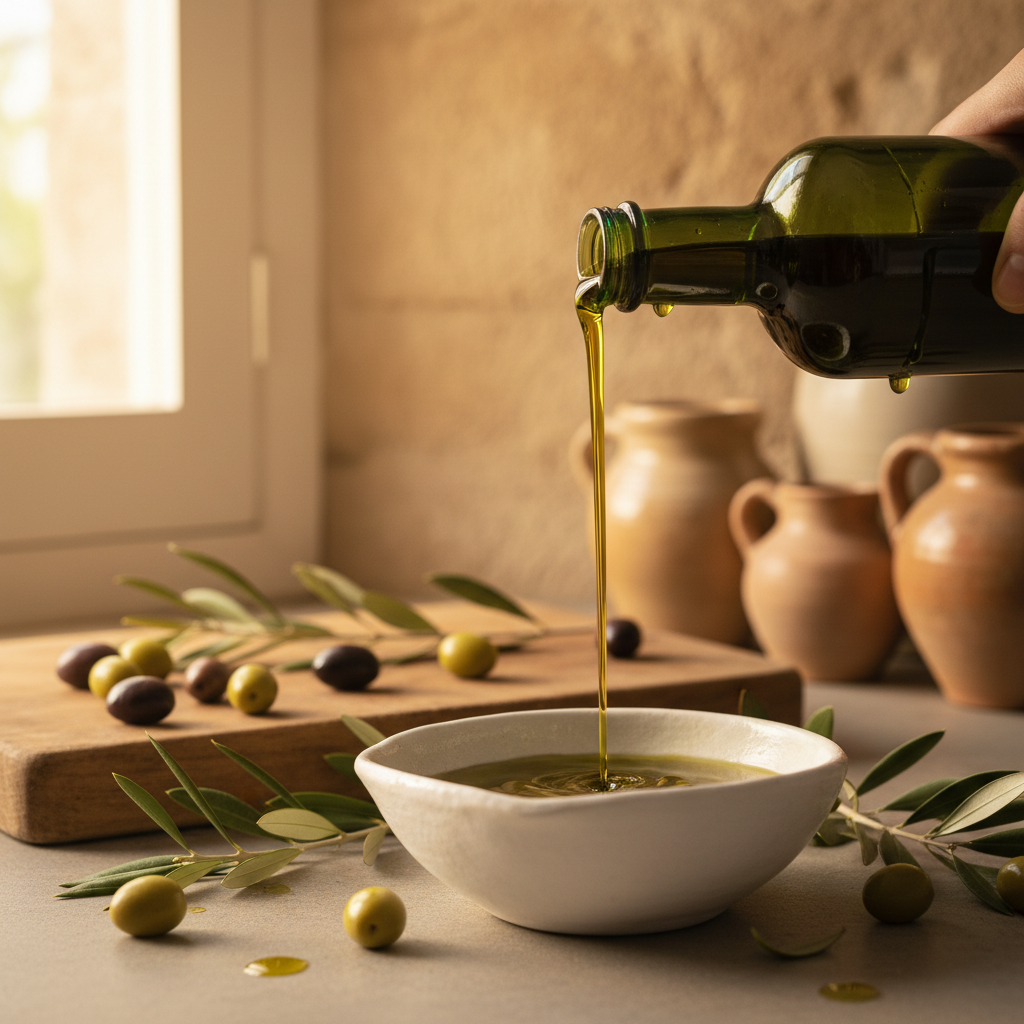
Greek olive oil is a powerhouse of health benefits. It is rich in monounsaturated fats, which are known to help reduce bad cholesterol levels and lower the risk of heart disease. Additionally, it's packed with antioxidants, such as vitamin E and polyphenols, which combat oxidative stress and inflammation.
Incorporating Greek olive oil into your diet can also aid in digestion, improve skin health, and support brain function. Its high levels of omega-3 and omega-6 fatty acids make it an excellent choice for maintaining a balanced diet. These nutrients are essential for overall well-being and can contribute to a healthier lifestyle.

Versatility in Culinary Uses
The versatility of Greek olive oil in the kitchen is unmatched. From drizzling over salads to using it as a base for sautéing vegetables, its rich flavor enhances a wide variety of dishes. Its smoke point is also suitable for light frying, making it a great all-around cooking oil.
In addition to its use in cooking, Greek olive oil can also be used in baking, adding a subtle richness to cakes and pastries. Its distinct taste can transform a simple dish into a gourmet experience. Whether you're a seasoned chef or a home cook, Greek olive oil is a must-have culinary staple.
Choosing the Right Olive Oil
When selecting Greek olive oil, look for labels that indicate "extra virgin," as this denotes the highest quality. Extra virgin olive oil is produced from the first pressing of the olives and contains no added chemicals or heat, preserving its natural flavors and nutrients.
Consider the region of origin as well. Some of the most celebrated Greek olive oils come from regions like Kalamata and Crete. These oils are often characterized by their fruity and peppery notes, providing a unique taste profile that can elevate any dish.
Storing and Preserving Your Olive Oil
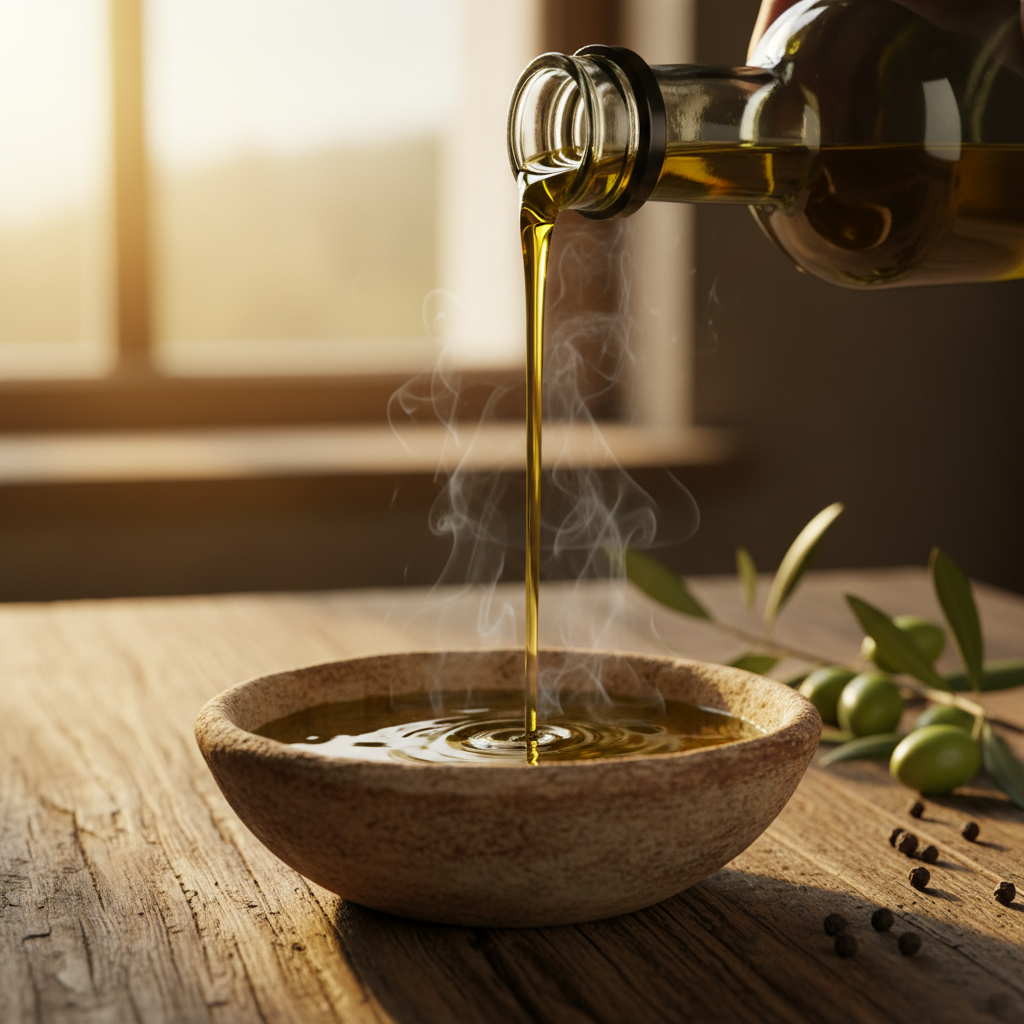
Proper storage is crucial to maintaining the quality of Greek olive oil. It should be kept in a cool, dark place, away from direct sunlight and heat. Using a dark glass bottle or a stainless-steel container can further protect it from light exposure.
Once opened, it's best to use the olive oil within a few months to ensure its freshness and flavor. Keeping the bottle tightly sealed when not in use will help prevent oxidation, which can degrade the oil's quality over time.
Conclusion: A Culinary Essential
Greek olive oil is more than just a flavorful addition to your meals; it's a testament to centuries of tradition and a commitment to quality. Its numerous health benefits and culinary versatility make it an essential ingredient in any kitchen. By choosing Greek olive oil, you're not only enhancing your dishes but also embracing a part of Greece's rich heritage.